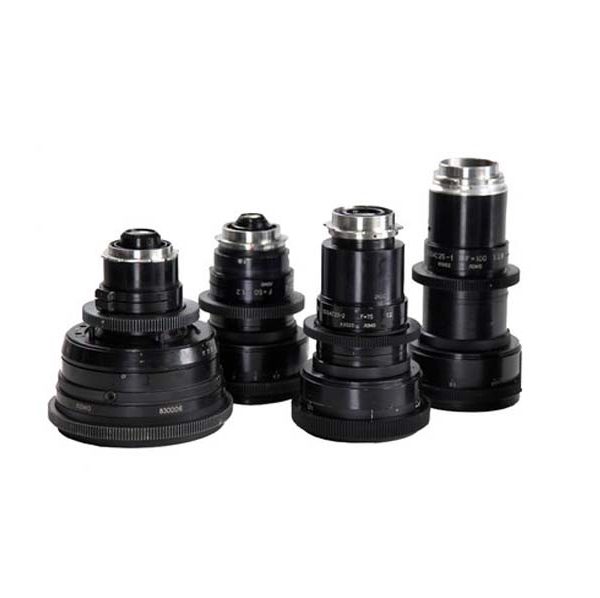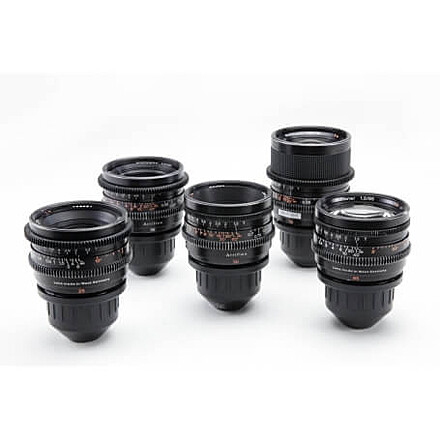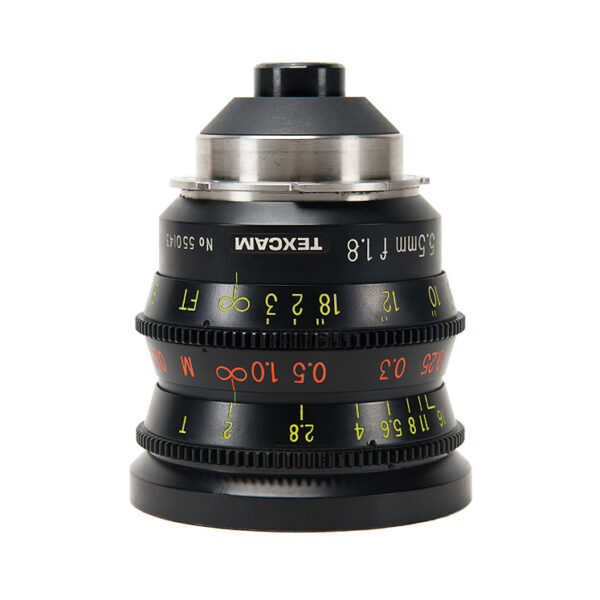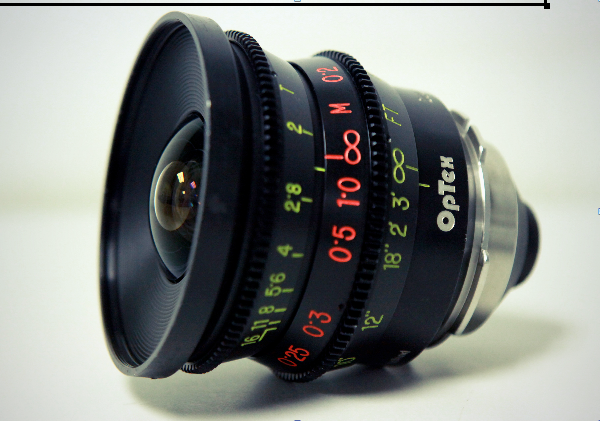
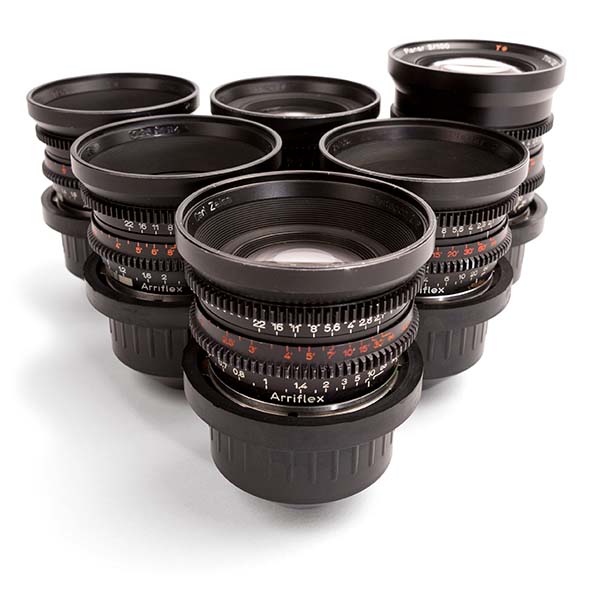
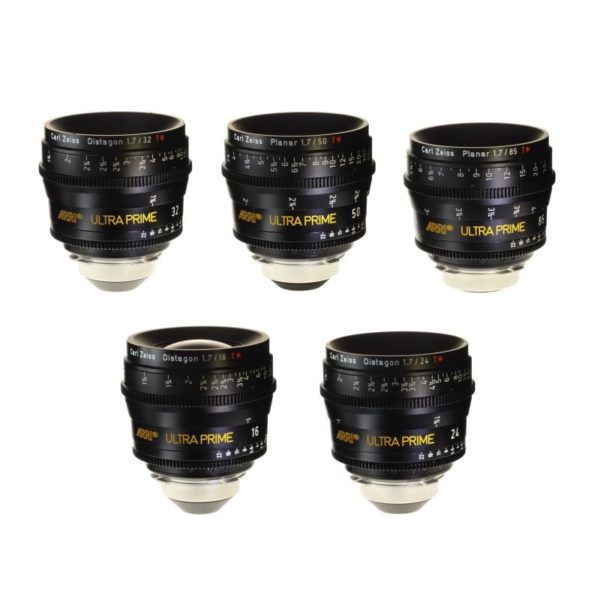
The ARRI Zeiss Standard Speed Prime T2.1 lenses are among the most respected and recognizable vintage cinema lenses ever made. Long before modern ultra-clinical optics became standard, these lenses helped define the visual language of cinema through the 1970s, 1980s, and early 1990s. Originally developed through the collaboration between ARRI and Carl Zeiss, the Standard Speeds became an industry workhorse for narrative filmmaking, commercials, television, documentaries, and independent cinema. Multiple rental houses and lens specialists still describe them as one of the foundational vintage cinema lens series ever produced.
Today, the ARRI Zeiss Standard Speed T2.1 Vintage Set remains one of the most desirable choices for cinematographers who want an image with:
- organic texture
- natural falloff
- classic Zeiss rendering
- softer vintage contrast
- controlled sharpness
- cinematic halation and flare character
- true analog-era personality
For productions in Bangkok, Phuket, Chiang Mai, Pattaya, Koh Samui, and across Thailand, these lenses are especially popular for:
- music videos
- fashion films
- commercials
- indie features
- short films
- period visuals
- documentary work
- digital cinema projects needing less clinical rendering
These are not modern “perfect” lenses.
That is exactly why cinematographers still chase them.
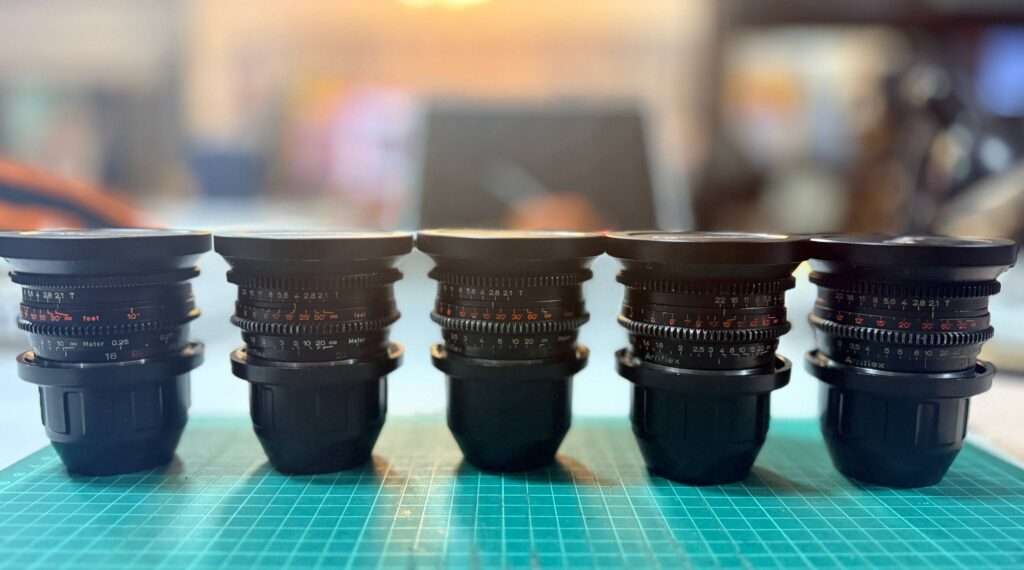
The History Behind Standard Speeds
ZEISS Standard Speeds are classic 1970s-80s cinema primes known for their organic texture, soft contrast and natural film-era rendering.
They were widely used across European and Hollywood productions before modern ultra-clean digital glass took over.
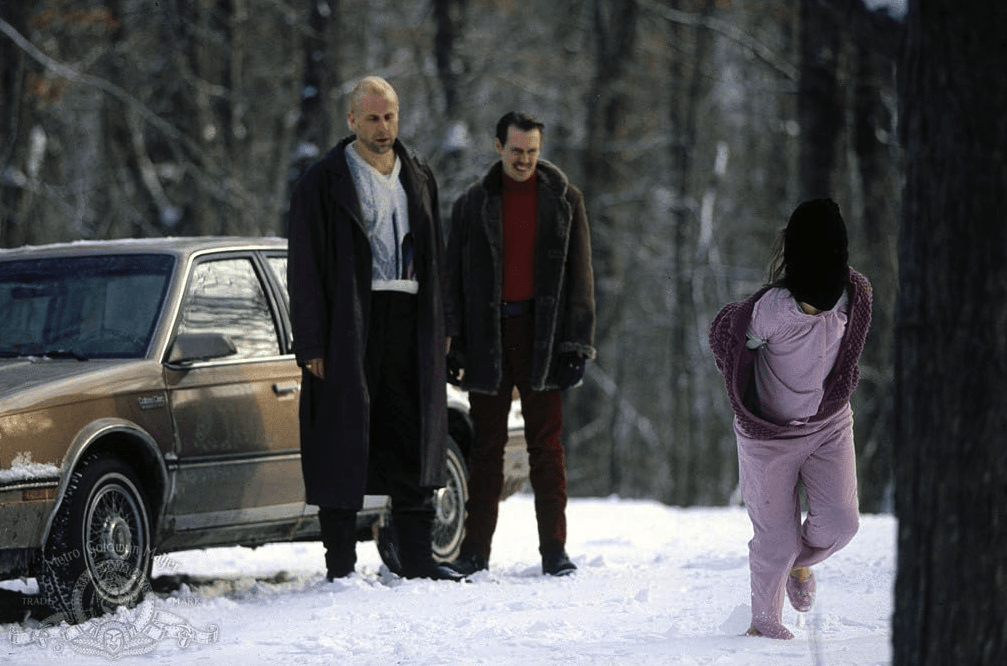
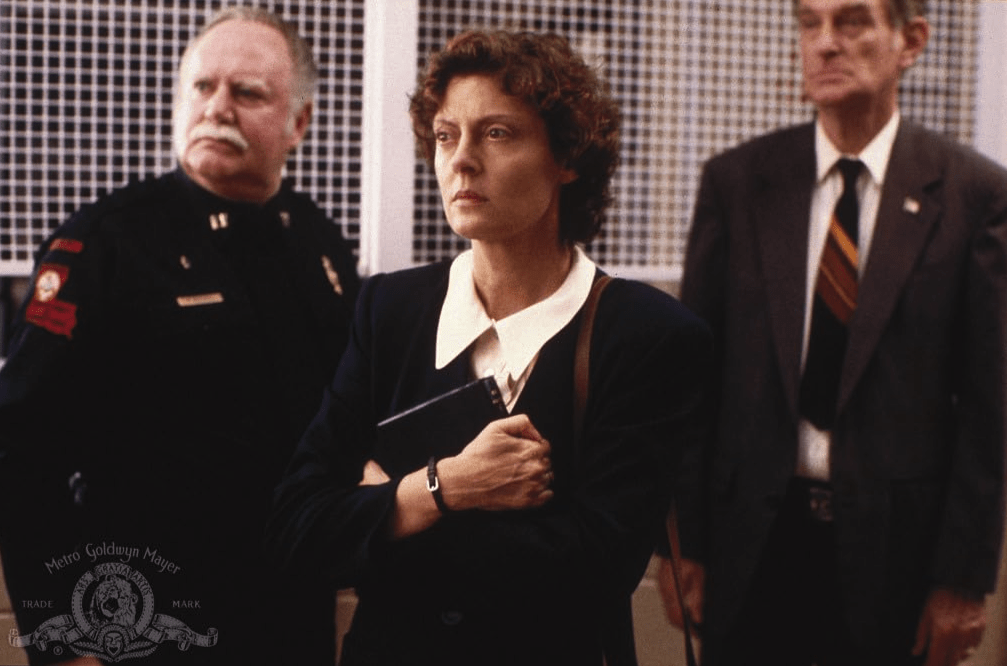
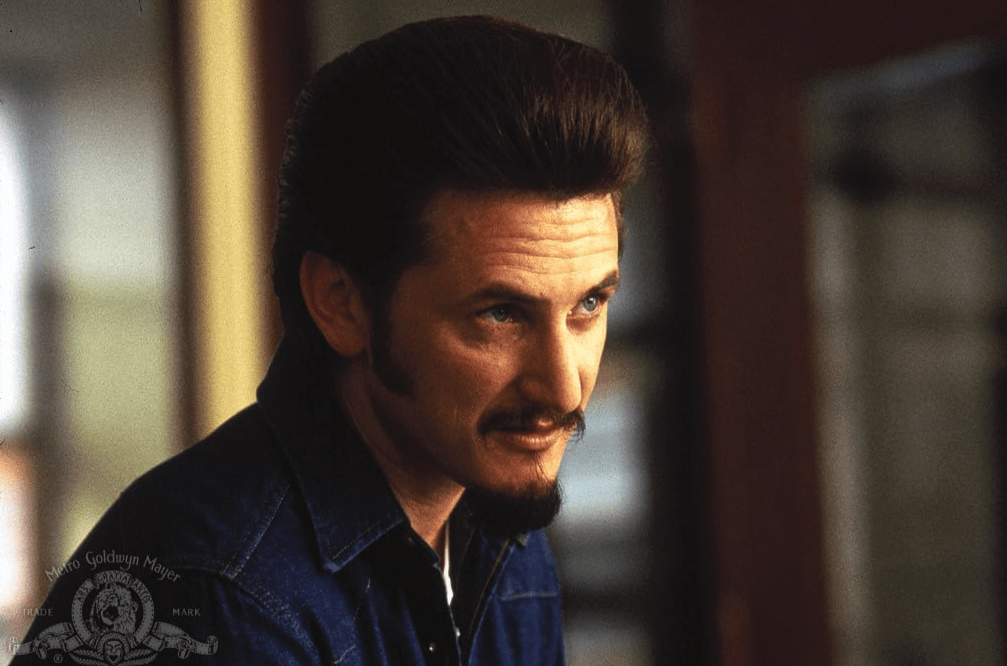
Cinematographers like Roger Deakins used Zeiss Standard/Super Speed era lenses on films such as Fargo, The Shawshank Redemption and Kundun to create natural cinematic depth without overly clinical sharpness.
Unlike modern lenses, Standard Speeds have:
- softer highlight rolloff
- gentle contrast
- organic skin rendering
- subtle vintage character without exaggerated flare
They are not “Instagram vintage” lenses.
Their strength is understated cinematic realism.
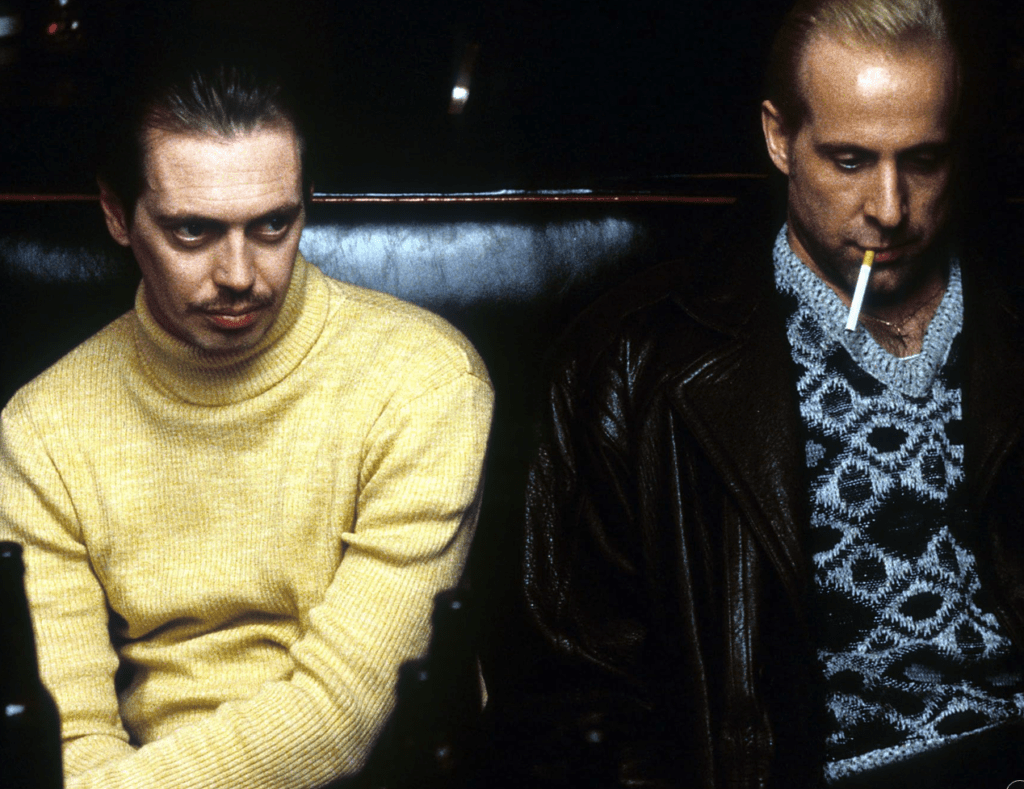
This type of glass also connects visually with gritty British crime cinema aesthetics often associated with early Guy Ritchie films — raw texture, practical lighting, handheld energy and imperfect cinematic atmosphere.
At the time, they represented a major leap forward in compact professional cinema optics:
- relatively fast T2.1 aperture
- compact mechanical design
- lightweight bodies
- reliable focus mechanics
- consistent optical rendering
Why Cinematographers Still Use Them Today
Modern cinema lenses are often designed for:
- maximum sharpness
- minimal aberration
- perfect consistency
- ultra-clean coatings
- extremely controlled flare
The Standard Speeds are different.
They render an image that feels:
- alive
- textured
- cinematic
- imperfect in the right way
Highlights bloom slightly more naturally.
Contrast is softer.
Edges transition more gently.
Skin feels less digital.
The frame feels more dimensional.
This is exactly why these lenses became popular again during the digital cinema revolution. As cameras became sharper and more clinical, DPs started searching for vintage optics capable of bringing back:
- emotion
- texture
- atmosphere
- analog softness
The Standard Speeds became one of the most practical solutions because they still maintain:
- good usability
- reliable mechanics
- professional PL mount workflow
- manageable size and weight
Unlike many obscure vintage lenses, these are still production-friendly.
The Look: Classic Vintage Zeiss Character
The image character of the Standard Speeds is often described as:
- cool Zeiss color rendition
- medium contrast
- smooth falloff
- organic bokeh
- vintage softness without becoming unusable
Several rental houses specifically describe the lenses as having a “smooth pleasing image,” “organic sharpness,” and “filmic aesthetic” distinct from modern optics.
Compared to modern lenses:
- highlights feel less harsh
- digital sensors feel less sterile
- focus transitions feel smoother
- imperfections become visually interesting rather than distracting
The result is especially beautiful on:
- ARRI Alexa cameras
- Sony Venice
- RED cameras
- Blackmagic cinema cameras
- Super35 digital sensors
The lenses are particularly loved for music videos and fashion work because they create a softer, more emotional image without looking excessively degraded.
Compact Size: Why Focus Pullers Still Love Them
One reason these lenses remain in heavy rental rotation is their compact mechanical design.
Most focal lengths share:
- small lightweight bodies
- compact front diameter
- manageable weight
- relatively fast T2.1 aperture
Rental specifications commonly list many focal lengths around an 80mm front diameter with lightweight construction.
That makes them ideal for:
- handheld rigs
- Steadicam
- gimbal setups
- shoulder cameras
- car rigs
- small crews
- fast-moving productions
Compared to heavier modern cinema lenses, Standard Speeds are refreshingly easy to work with.
Super35 Coverage and PL Mount Workflow
This set is designed for:
- Super35 image coverage
- PL mount cinema cameras
The Standard Speeds are most at home on:
- ARRI Alexa Mini
- ARRI Amira
- RED DRAGON (S35 5K)
- Sony Venice S35 mode
- Blackmagic URSA Mini Pro
- Super35 film cameras
Because these are vintage lenses originally designed for film-era formats, some focal lengths may show characteristics such as slight vignetting depending on sensor mode and exact lens version, particularly when used wide open or adapted beyond intended coverage. Cinematography discussions and rental tests occasionally mention this behavior on certain focal lengths.
For Super35 work, however, they remain one of the most proven vintage PL solutions available.
Why Standard Speeds Are Back in Demand
Vintage cinema lenses are no longer niche.
Today’s cinematographers actively search for:
- character
- imperfections
- softer rendering
- unique flare
- analog feeling
- less “digital perfection”
The Standard Speeds sit in a perfect middle ground:
- more usable than many old rehoused still lenses
- more characterful than Ultra Primes
- smaller and lighter than many vintage alternatives
- less expensive than rare Super Speeds
That balance is why many DPs now consider them one of the smartest vintage lens rentals available.
Even modern Zeiss cinema marketing references how cinematographers continue appreciating legacy Zeiss lens lines decades later because of their character and expressive rendering.
Ideal Applications in Thailand
The ARRI Zeiss Standard Speed Vintage Set is perfect for:
- Bangkok music videos
- fashion editorials
- indie films
- narrative commercials
- documentary work
- nightlife visuals
- retro-inspired campaigns
- period aesthetics
- cinematic handheld work
- travel filmmaking
- stylized digital cinema
For international productions shooting in Thailand, these lenses are especially attractive because they deliver a high-end vintage cinema aesthetic without requiring massive specialty lens packages.
Why Rent from Film Service Thailand
At Film Service Thailand, we support:
- Bangkok filmmakers
- international productions
- music video crews
- fashion campaigns
- commercial productions
- independent cinema
- streaming and branded content production
For cinematographers who want a true vintage cinema image without sacrificing professional usability, the ARRI Zeiss Standard Speed T2.1 set remains one of the greatest classic lens packages ever made.
Not trendy.
Not over-restored.
Not clinically perfect.
Just real cinema lenses with history inside the glass.
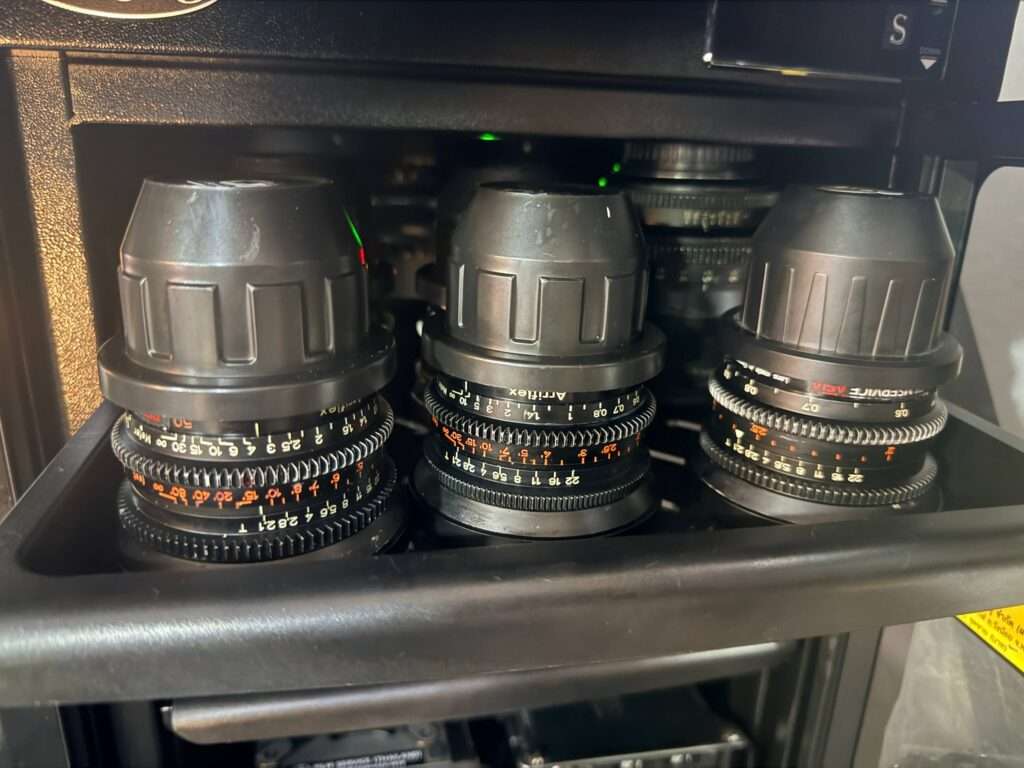
Specifications
| Mount | Arri PL |
| Aperture Range | T2.1 – T22. |
| Close Focus | 16mm: 0.25m (10″). 24mm: 0.36m (1′ 2″). 32mm: 0.60m (2′). 50mm: 0.46m (1′ 6″). 85mm: 0.91m (3′). |
| Front Diameter | 80mm. |
| Weight | 16mm: 0.57kg. 24mm: 0.57kg. 32mm: 0.45kg. 50mm: 0.57kg. 85mm: 0.68kg. |
| Length | 16mm: 54mm. 24mm: 54mm. 32mm: 54mm. 50mm: 54mm. 85mm: 54mm. |