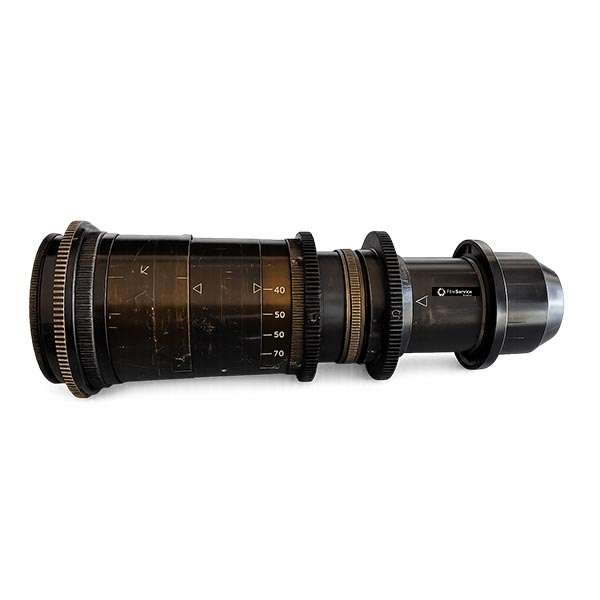
The LOMO Lenar 40–162mm T4.9 is one of the most distinctive Soviet cinema zoom lenses ever produced. Designed and manufactured by LOMO for professional 35mm motion picture cameras, the Lenar combines a practical zoom range with an unmistakable vintage image that has become increasingly desirable in the digital cinema era. While modern cinema zooms are engineered for maximum sharpness, perfect contrast, and minimal optical imperfections, the Lenar was built during a time when lenses were designed to create a natural, cinematic image on film. Today, those characteristics make it an excellent choice for cinematographers looking to soften the clinical appearance of modern digital sensors.
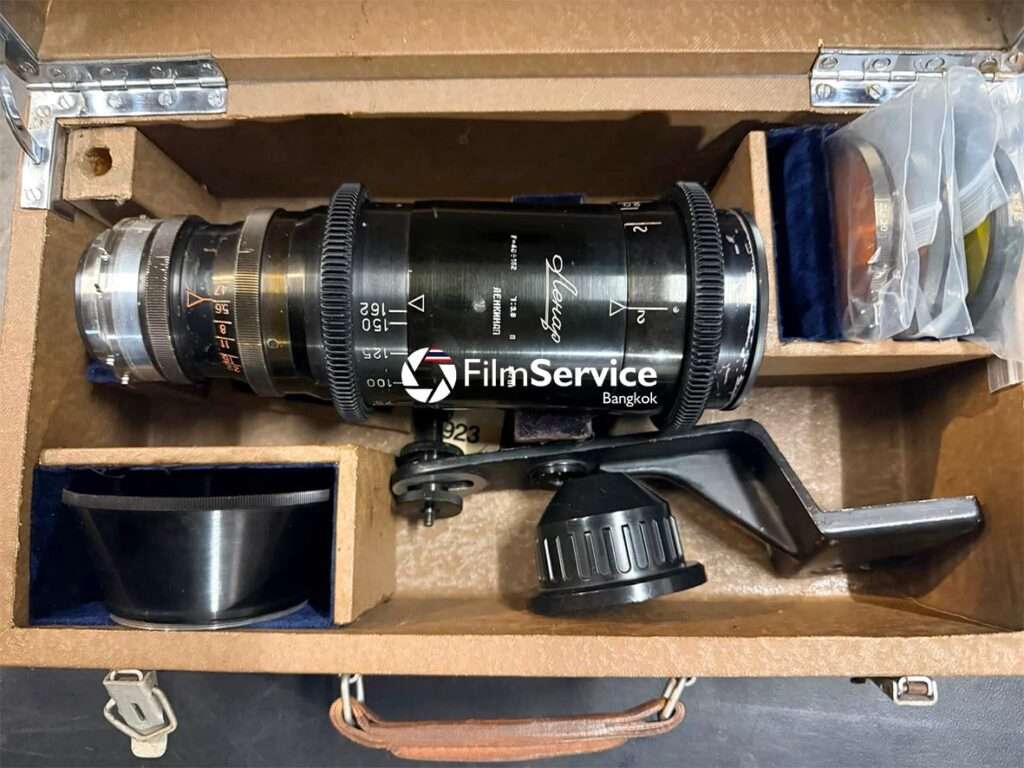
Originally developed for 35mm motion picture cameras, the Lenar covers the Super35 image circle and has become a favourite among filmmakers working with the ARRI Alexa Mini, ARRI Amira, RED Komodo, Sony A7V, FX5(with PL Mount Adapter), Sony Venice in Super35 mode, Blackmagic URSA and other PL mount cinema cameras. This version has been professionally converted to an ARRI PL mount, allowing seamless integration into modern cinema productions while preserving the original Soviet optics. Unlike contemporary zoom lenses that prioritise technical perfection, the Lenar has a personality. It produces warm colour reproduction, gentle contrast, smooth highlight roll-off and slightly lower micro-contrast that immediately reduces the digital sharpness associated with modern cinema cameras. Skin tones appear softer, backgrounds transition naturally out of focus, and practical light sources develop subtle vintage halation without becoming distracting. Wide open at T4.9, the lens produces a classic film-era rendering that many cinematographers spend thousands of dollars trying to recreate with filters or post-production grading.
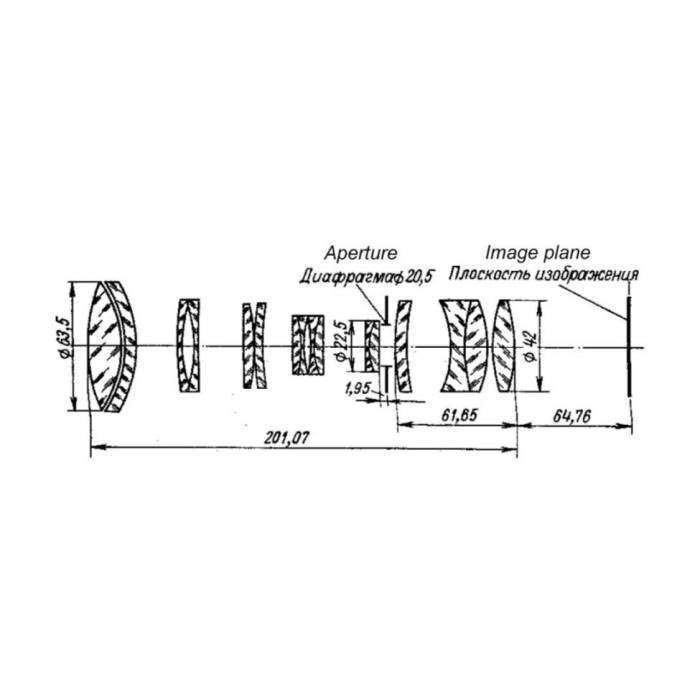
One of the reasons the Lenar has remained relevant is its remarkable versatility. Covering focal lengths from 40mm to 162mm, it comfortably handles medium wide compositions, portraits, close-ups and telephoto work without changing lenses. Documentary filmmakers appreciate the ability to react quickly during unpredictable situations, while commercial and music video crews often use it to maintain visual consistency throughout an entire shoot. The zoom range is equally useful for interviews, fashion campaigns, automotive work, wildlife, sports, and narrative filmmaking where changing prime lenses would slow production. Although the original optical specification lists an f/3.8 maximum aperture, the practical transmission value is approximately T4.9, providing consistent exposure throughout the complete zoom range. Unlike many vintage zooms that become slower as they zoom in, the Lenar maintains its light transmission from 40mm to 162mm, making exposure predictable during moving zoom shots or documentary work.
The lens was designed long before autofocus, image stabilisation and electronic communication became standard. Everything is fully mechanical. Focus, zoom and iris movements are smooth, precise and tactile, giving camera assistants and operators complete manual control. For cinematographers who enjoy traditional filmmaking techniques, this mechanical operation is part of the appeal. The lens responds naturally to follow focus systems and remains dependable in demanding production environments.
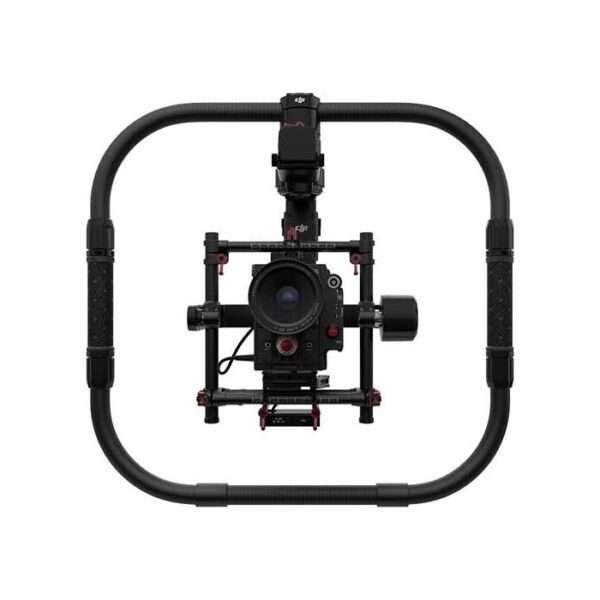
Compared with modern cinema zooms from ARRI, Fujinon, Angénieux or Canon, the Lenar is surprisingly compact. Weighing approximately 1.65kg, it is considerably lighter than many professional broadcast or cinema zooms, making it suitable for handheld work, Easyrig operation, shoulder rigs and selected gimbal configurations. Productions looking for a vintage zoom without adding excessive weight to the camera package will appreciate its manageable size.
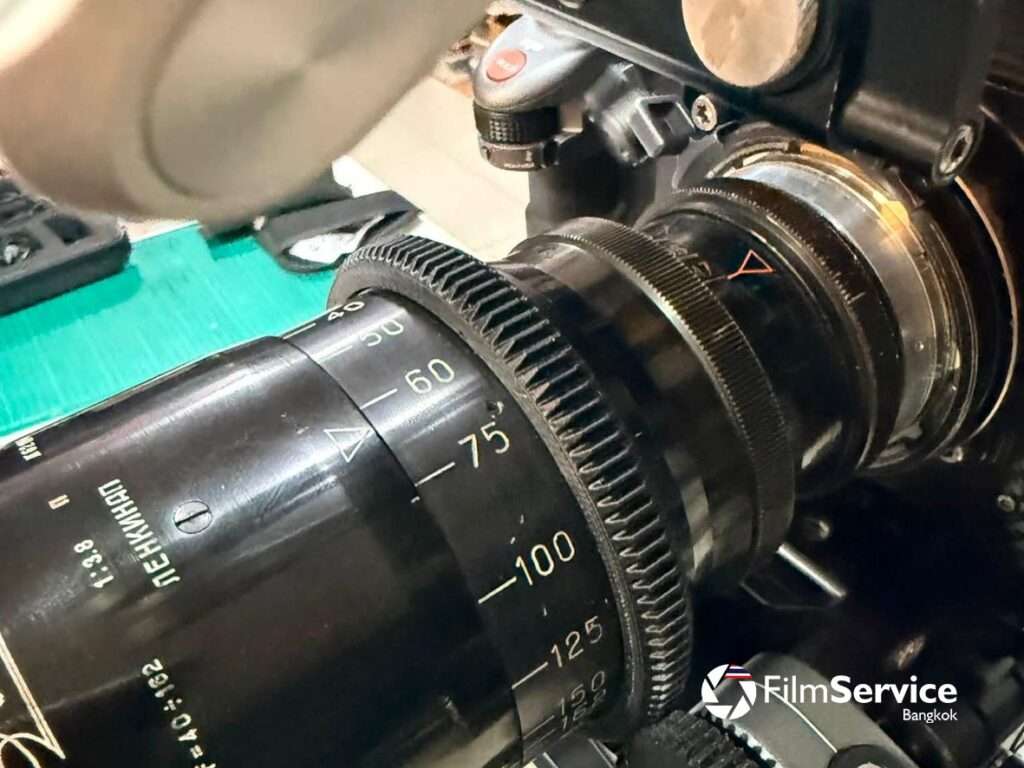
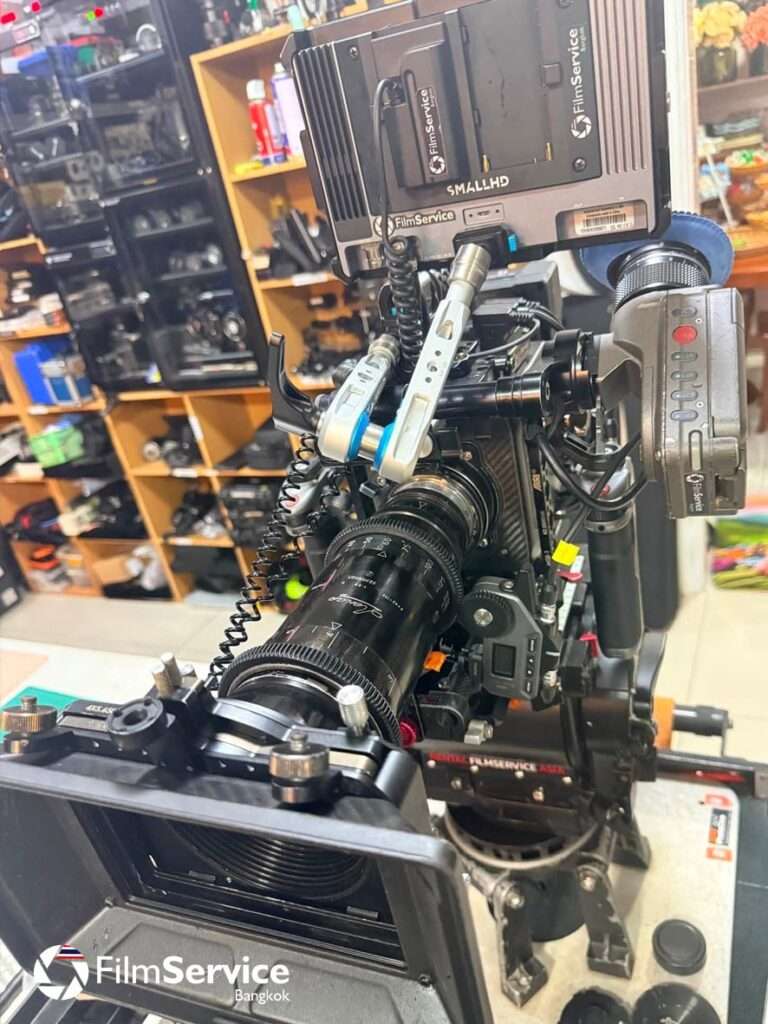
One of the most interesting aspects of the Lenar is its rendering of flare. Modern coatings are designed to eliminate flare wherever possible, but the Lenar’s older optical coatings allow controlled veiling flare and warm reflections that many cinematographers intentionally seek for period dramas, music videos and fashion films. Rather than looking like a modern lens with an artificial diffusion filter, the Lenar produces a naturally organic image directly in-camera.
The lens features a 79mm front diameter without the original hood. We strongly recommend using the supplied metal lens hood, which increases the outside diameter to approximately 110mm, making it perfectly compatible with the Tilta MB-T12 110mm matte box while improving flare control and protecting the front element during production. As expected from a genuine vintage cinema lens, this Lenar shows normal signs of professional use accumulated over decades of filmmaking. Minor internal dust and light cleaning marks are present, consistent with lenses of this age, but they do not affect normal image quality or everyday production use. The focus, zoom and iris rings operate smoothly, and the lens has been maintained as a reliable working tool rather than a museum piece. Vintage optics are valued for their image character rather than cosmetic perfection, and the Lenar is no exception.
For international productions shooting in Bangkok, Phuket, Chiang Mai, Pattaya, Koh Samui, or anywhere else in Thailand, the LOMO Lenar offers an affordable way to achieve a distinctive cinematic look without investing in expensive modern vintage lens sets. It pairs particularly well with our selection of ARRI Alexa Mini, Sony FX6, Sony FX3, Sony BURANO, RED cameras, professional PL mount adapters, follow focus systems, matte boxes and support accessories, making it an excellent choice for feature films, commercials, documentaries and music videos produced in Thailand.
Unlike modern cinema zooms that all strive for technical perfection, the LOMO Lenar remains memorable because it has character. It is a lens chosen by cinematographers who want the image to feel less digital, more organic, and unmistakably cinematic.