Thailand has earned its reputation as one of the most production-friendly countries in Asia. But for experienced producers, DPs and line producers, the real question is never just where to shoot.
It’s how fast you can build the right package, at the right price, in the right city — without losing time on unclear quotes, missing accessories, or last-minute surprises.
That’s why camera rental in Thailand is not just about having a warehouse full of gear.
It’s about having:
-
a real Bangkok film equipment hub
-
clear and transparent camera rental prices
-
a usable inventory for lenses, lighting, grip and accessories
-
local understanding of Phuket and Samui logistics
-
and a rental team that knows how international productions actually move
I’m Andrii Palekha, and through Filmservice Thailand, we work with filmmakers, agencies, fixers, commercial crews, documentary teams and international productions every day.
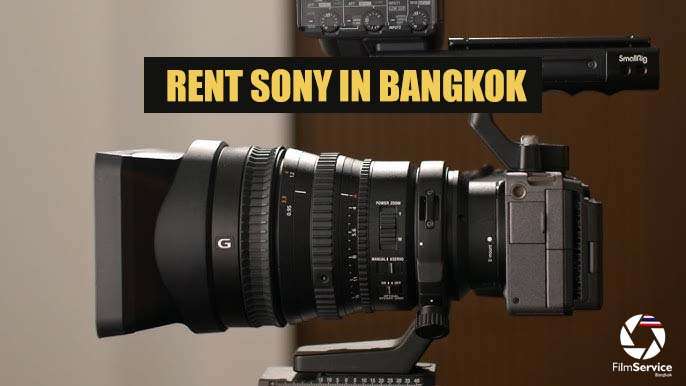
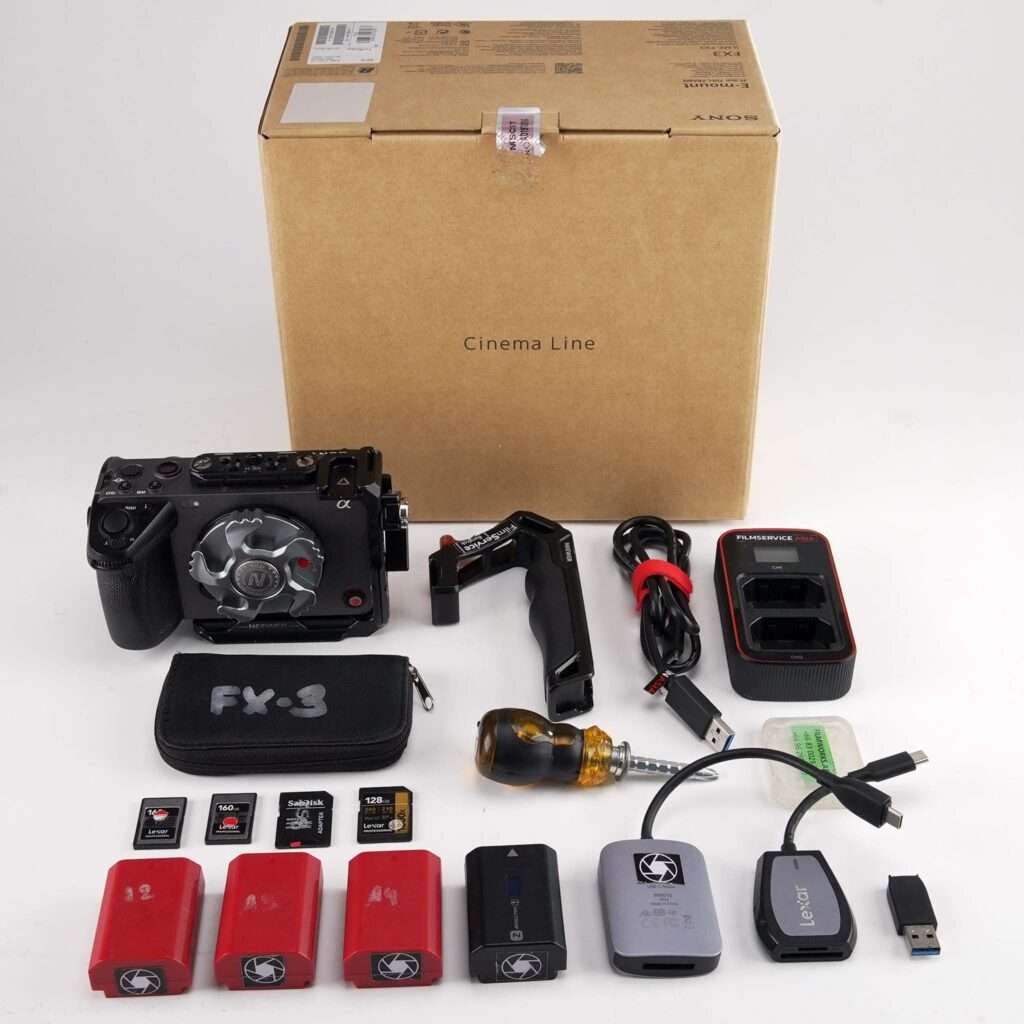
Some need a fast Sony FX3 rental in Bangkok for a branded content shoot.
Some need a Sony FX6 camera package with GM zooms and wireless video for a commercial.
Some need film lighting rental in Thailand for a resort campaign in Phuket.
Some need a more stylized setup — anamorphic lenses, PL glass, or modern Aputure / ARRI lighting for music videos and fashion work.
And after years of doing this, I can tell you one thing very clearly:
“The first serious question is always price. But the second question is what’s actually included — and whether the gear is really available in the city where you need it.”
That’s the difference between a smooth production day and a very expensive misunderstanding.
Why Bangkok Is the Real Hub for Camera Rental in Thailand
If you’re searching for camera rental Bangkok, there’s a reason that keyword matters more than people think.
Bangkok is not just the capital.
It’s the main rental ecosystem for professional film production in Thailand.
This is where international crews usually get the best access to:
-
full camera packages
-
wider lens selection
-
backup bodies
-
more complete accessory support
-
stronger prep flexibility
-
faster substitutions
-
easier multicam builds
-
better support for larger lighting and grip packages
That matters whether you’re booking:
-
Sony FX3 rental Bangkok
-
Sony FX6 rental Thailand
-
lens rental Bangkok
-
film lighting rental Bangkok
-
ARRI SkyPanel rental Thailand
-
Aputure XT26 rental Bangkok
-
video equipment rental Thailand
Bangkok is where the deepest inventory usually lives — and that’s why it’s the fairest benchmark for price comparisons.
Bangkok vs Phuket vs Samui: Why Rental Prices in Thailand Are Not the Same Everywhere
A lot of international clients make the same mistake at first:
They assume that camera rental in Thailand means one universal market.
It doesn’t.
Bangkok
Best for:
-
widest gear availability
-
prep days
-
substitutions
-
last-minute add-ons
-
larger lighting and grip support
-
multicam commercial and narrative builds
Phuket
Best for:
-
resort commercials
-
marine and yacht shoots
-
luxury travel campaigns
-
lifestyle content
-
island logistics with planned support
Samui
Best for:
-
boutique hotel campaigns
-
premium tourism content
-
wedding luxury shoots
-
smaller but highly visual productions
The important thing is simple:
A Bangkok rental price should be compared to another Bangkok rental price.
If a competitor quote comes from Phuket, Samui or Chiang Mai, it is not always a true apples-to-apples comparison — because transport, travel days, island logistics and support structure change the economics immediately.
This is one of the biggest reasons serious productions prefer working with a Bangkok-based rental company that can support shoots nationwide.
Real Camera Rental Prices in Bangkok: What Productions Actually Book
If you want to rank for camera rental Bangkok prices, you need to talk in real numbers.
That’s also how producers think.
At Filmservice Thailand, we maintain a live online rental catalog and a published rate card because transparent pricing builds trust faster than any marketing slogan.
Sony FX3 rental Bangkok
The Sony FX3 is one of the most requested cameras in the market for lightweight commercial, documentary, gimbal, branded content and fast-moving travel production.
Published rate: THB 1,800/day.
Sony FX6 rental Thailand
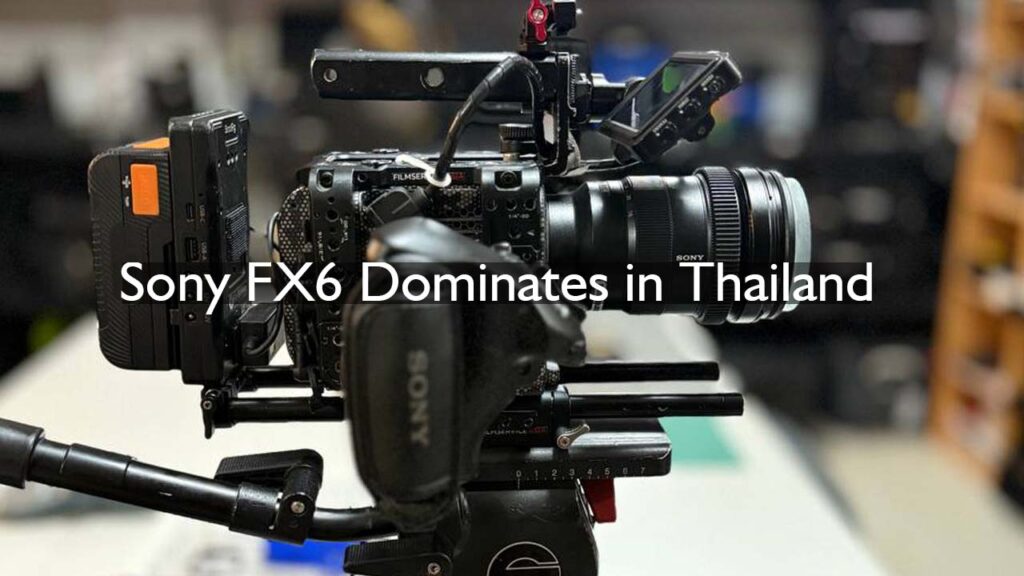
For productions that need a stronger all-round cinema body with pro I/O, great low-light performance and a very practical full-frame workflow, the Sony FX6 remains one of the smartest choices in Thailand.
Published rate: THB 2,500/day.
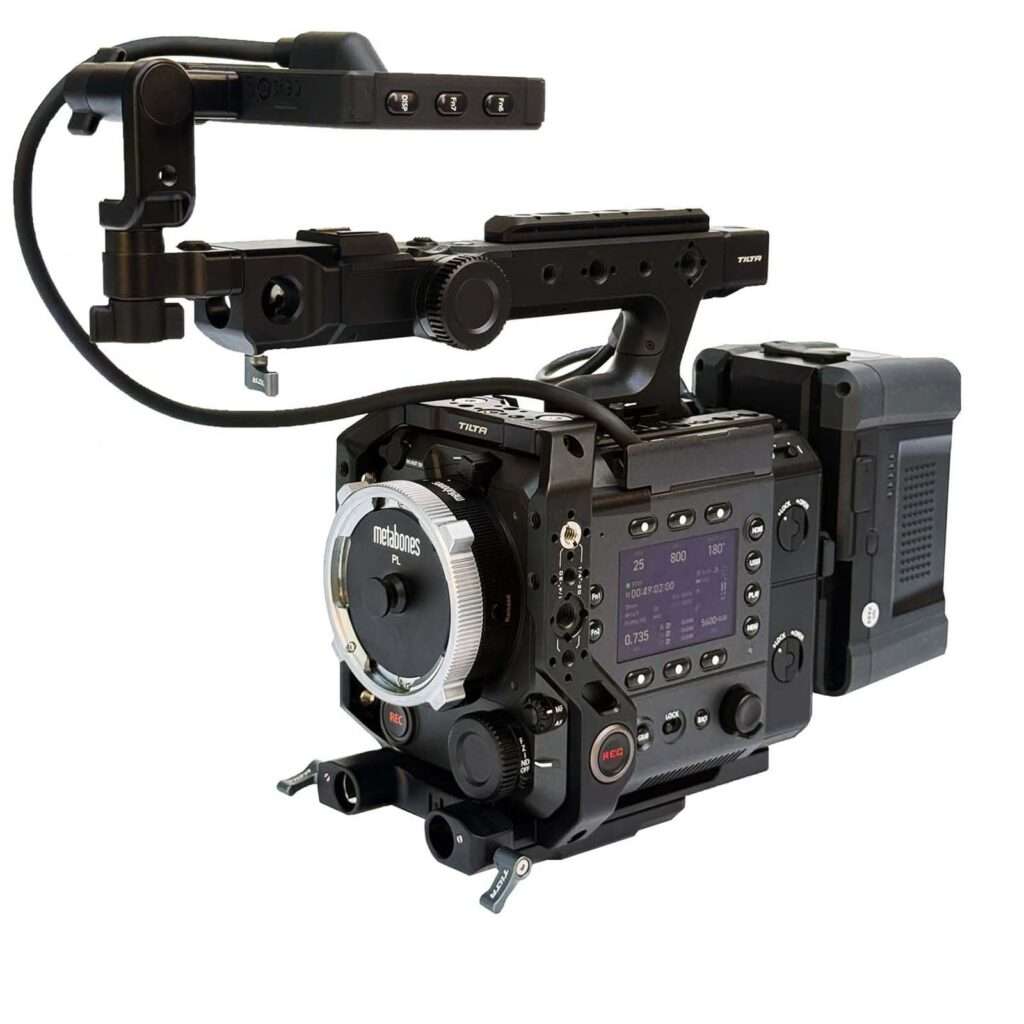
ARRI camera rental Bangkok
For crews that want a more traditional digital cinema feel, the catalog includes:
-
ARRI Alexa Mini Kit — THB 10,000/day
-
ARRI Alexa 35 — THB 19,000/day
RED camera rental Bangkok
For crews that want a more traditional digital cinema feel, the catalog includes:
-
RED EPIC DRAGON 6K DSMC1 Indie Kit — THB 3,500/day
-
RED EPIC DRAGON 6K DSMC1 Cinema Kit — THB 5,000/day
Blackmagic camera rental Thailand
For budget-sensitive productions, B-cam builds, indie narrative work or stylized projects that want PL-mount flexibility, the Blackmagic URSA Mini 4.6K PL is listed only:
THB 500/day.
These are the kinds of numbers that matter when people find us in Google:
-
camera rental Thailand price
-
Sony FX3 rental Thailand
-
Sony FX6 rental Bangkok
-
RED camera rental Thailand
-
best camera for shooting in Thailand
-
what camera to rent in Bangkok
-
Sony FX3 or FX6 for Thailand
-
best camera rental for Phuket shoot
Choose the Sony FX3 if you need:
-
compact footprint
-
lightweight gimbal setup
-
travel-friendly builds
-
low-light flexibility
-
discreet documentary or lifestyle shooting
-
quick location changes in Bangkok or island environments
The Sony FX3 is especially strong for:
-
branded content
-
travel films
-
documentary
-
tourism campaigns
-
nightlife / low-light city work
-
social-first production
Choose the Sony FX6 if you need:
-
a more production-ready body
-
stronger I/O
-
easier integration with professional accessories
-
multicam interview builds
-
commercial agency workflows
-
more flexible operator / AC handoff
The Sony FX6 is often the best all-round answer for:
-
commercials
-
interviews
-
corporate films
-
multicam branded content
-
luxury hospitality campaigns
-
automotive content
-
narrative projects with fast schedules
Choose a PL-mount cinema option if you need:
-
more deliberate shooting pace
-
cine lens compatibility
-
stylized image building
-
commercial or narrative lens discipline
That’s where options like ARRI Alexa 35 or Alexa Mini LF or more cinema-oriented lens packages start making more sense.
Popular Sony Zoom lens rental examples from the Filmservice Thailand rate card:
-
Sony 16–35mm GM f/2.8 FE — THB 800/day
-
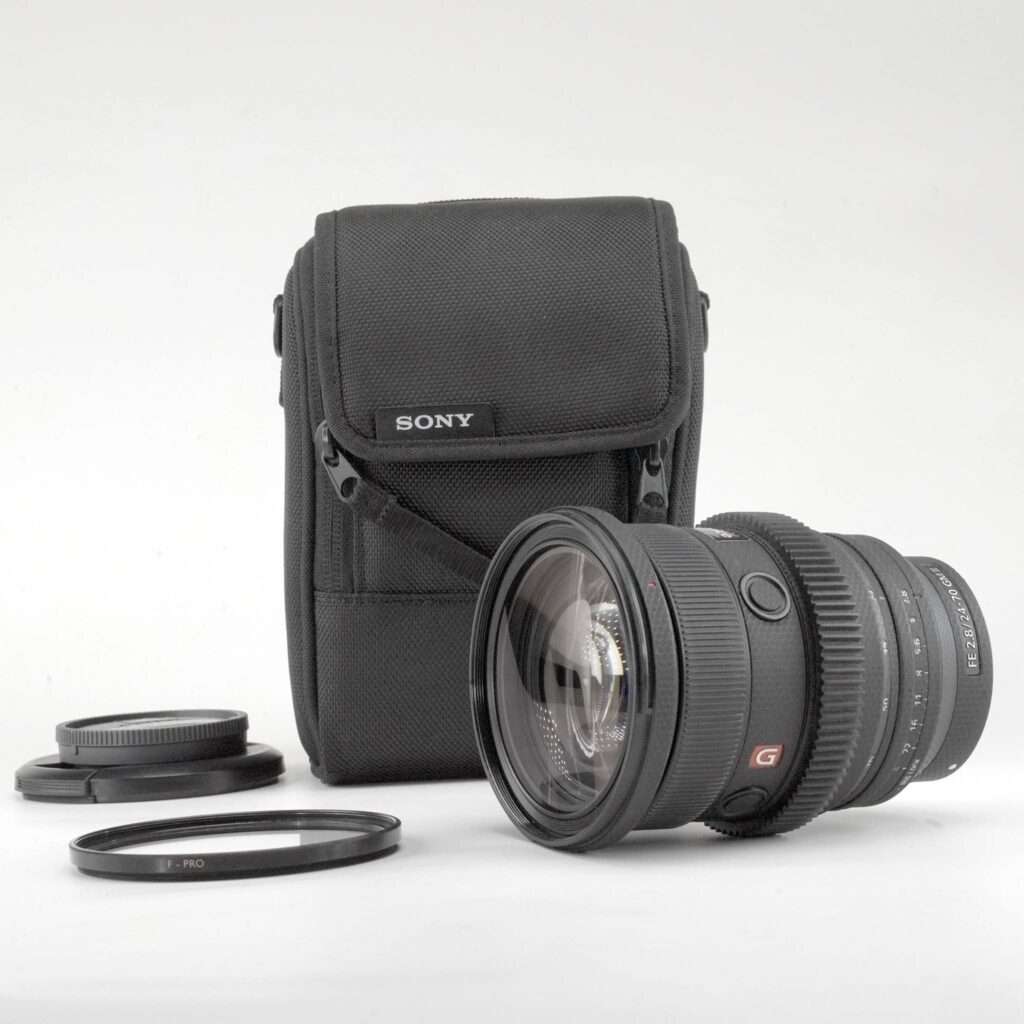
Sony 24–70mm GM f/2.8 FE — THB 800/day
-
Sony 24–70mm GM II f/2.8 FE — THB 1,000/day
-
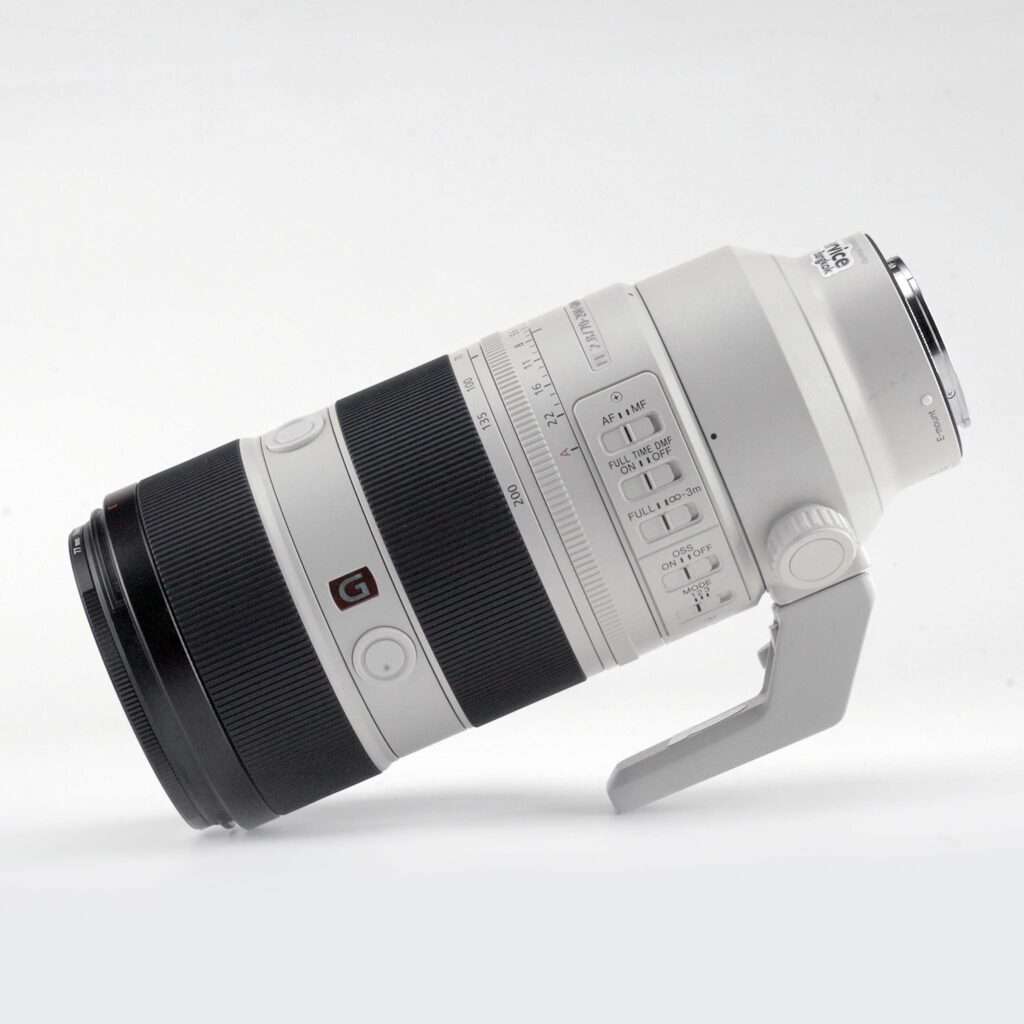
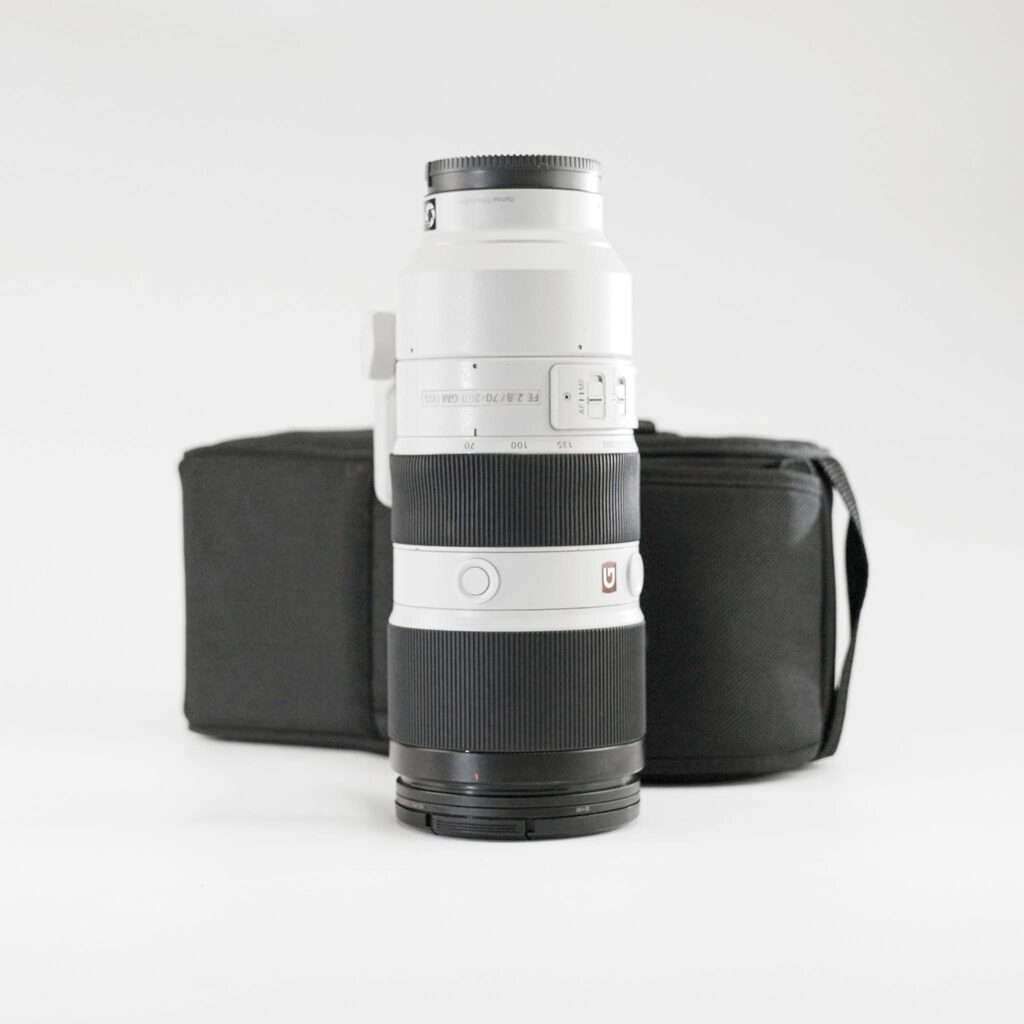
Sony 70–200mm GM OSS f/2.8 FE — THB 800/day
-
Sony 70–200mm GM II OSS f/2.8 FE — THB 1,000/day
-
Sony 100–400mm GM OSS FE — THB 800/day
-
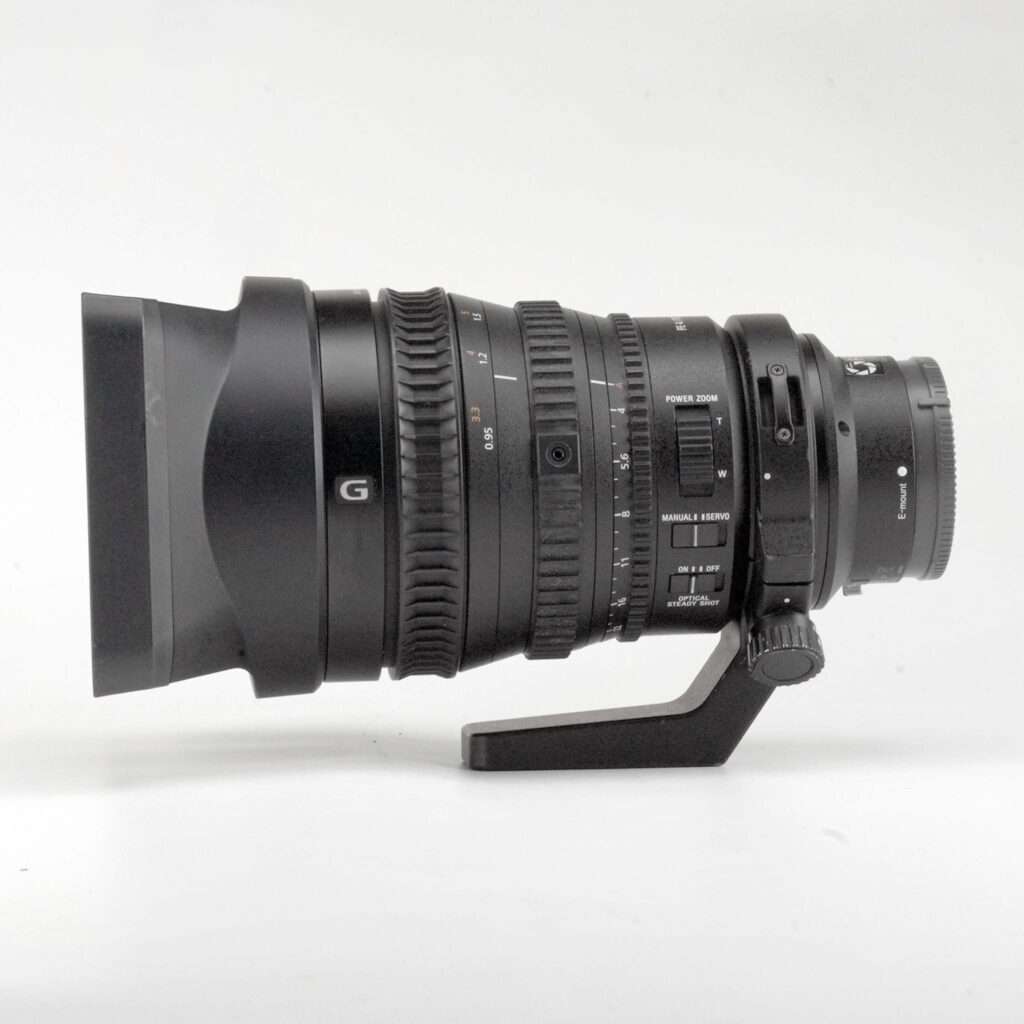
Sony FE PZ 28–135mm f/4 G OSS — THB 1,000/day
These are exactly the lenses that work well in Thailand for:
-
hotel and resort campaigns
-
automotive shoots
-
fashion editorials
-
food & beverage commercials
-
interviews
-
run-and-gun branded work
-
travel documentary
-
long-lens lifestyle coverage
Popular Sony Prime lens rental examples:
-
Sony 24mm GM f/1.4 FE — THB 800/day
-
Sony 35mm GM f/1.4 FE — THB 800/day
-
Sony 50mm GM f/1.2 FE — THB 800/day
-
Sony 85mm GM f/1.4 FE — THB 800/day
-
Sony 20mm G f/1.8 FE — THB 400/day
Anamorphic Lens Rental in Bangkok: Thailand Is Not “Just a Mirrorless Market”
There is still a certain misconception about camera rental in Thailand that shows up surprisingly often in conversations with foreign producers and visiting cinematographers.
People assume Bangkok is a practical city for lightweight mirrorless kits, branded content, social campaigns and fast-turnaround commercial work — but when the conversation turns to specialty glass, especially anamorphic, the assumption changes. Suddenly the questions become more cautious. Do you actually have real options locally? Is there enough support? Is the market deep enough to build a proper look package without shipping lenses in from another country?
That old perception is increasingly out of date.
Thailand is not “just a mirrorless market,” and Bangkok in particular has matured into a far more capable lens ecosystem than many international clients expect on first contact. Yes, the city is strong for Sony FX3, FX6 and fast-moving hybrid production. But it is also increasingly relevant for cinematographers who want to create a more intentional image language — and that is exactly where anamorphic lens rental becomes interesting.
At Filmservice Thailand, we see this shift every week. More directors and DPs are arriving in Bangkok with a clear visual brief from the start. They are not only asking for “the best camera available.” They are asking for texture, for shape, for character, for separation, for a more cinematic way of controlling how the frame feels. That is why anamorphic conversations are no longer niche. They are becoming part of mainstream commercial, music video, fashion and narrative prep.
“A few years ago, many clients coming to Thailand still thought anamorphic meant you had to fly in a specialist package from abroad. That’s not the reality anymore. More productions now want a signature look, and Bangkok is increasingly ready for that.” — Andrii Palekha
Why Anamorphic Matters in Bangkok Right Now
Bangkok is a city of contrast, density and light. It has reflective surfaces, layered architecture, deep neon, humid night atmosphere, high-contrast streets, and a mix of polished commercial environments and textured real-world locations. It is one of those places where anamorphic lenses can feel especially alive.
Spherical lenses can of course be the right choice for many jobs. They are often faster, cleaner, lighter, and easier when schedules are tight. But when a production wants the image to carry more emotional intention — more horizontal tension, more environmental presence, more separation between subject and background — anamorphic can completely change how Bangkok looks on screen.
That matters for music videos. It matters for fashion films. It matters for automotive. It matters for branded content that wants to feel more expensive than the budget suggests. And it matters even for lean digital campaigns, because the current generation of compact anamorphic options has made that look much more accessible than it used to be.
This is where the market in Thailand is changing.
Anamorphic used to be associated mainly with large cinema bodies, larger crews and a more traditional feature workflow. Today, especially with Sony E-mount dominance in the region, there is a new category of production that wants anamorphic character but still needs flexibility, speed and a manageable footprint. That is exactly why the newer compact anamorphic systems have become so relevant in Bangkok.
Sirui Cine Autofocus Anamorphics for Sony: A Very Bangkok-Friendly Tool
One of the most interesting developments in recent years is the arrival of the Sirui Cine Autofocus Anamorphic line for Sony E-mount.
That combination alone would have sounded unusual not long ago.
Anamorphic. Cine-oriented rendering. Autofocus. Sony.
And yet, for the kind of work that happens every day in Bangkok, it makes a surprising amount of sense.
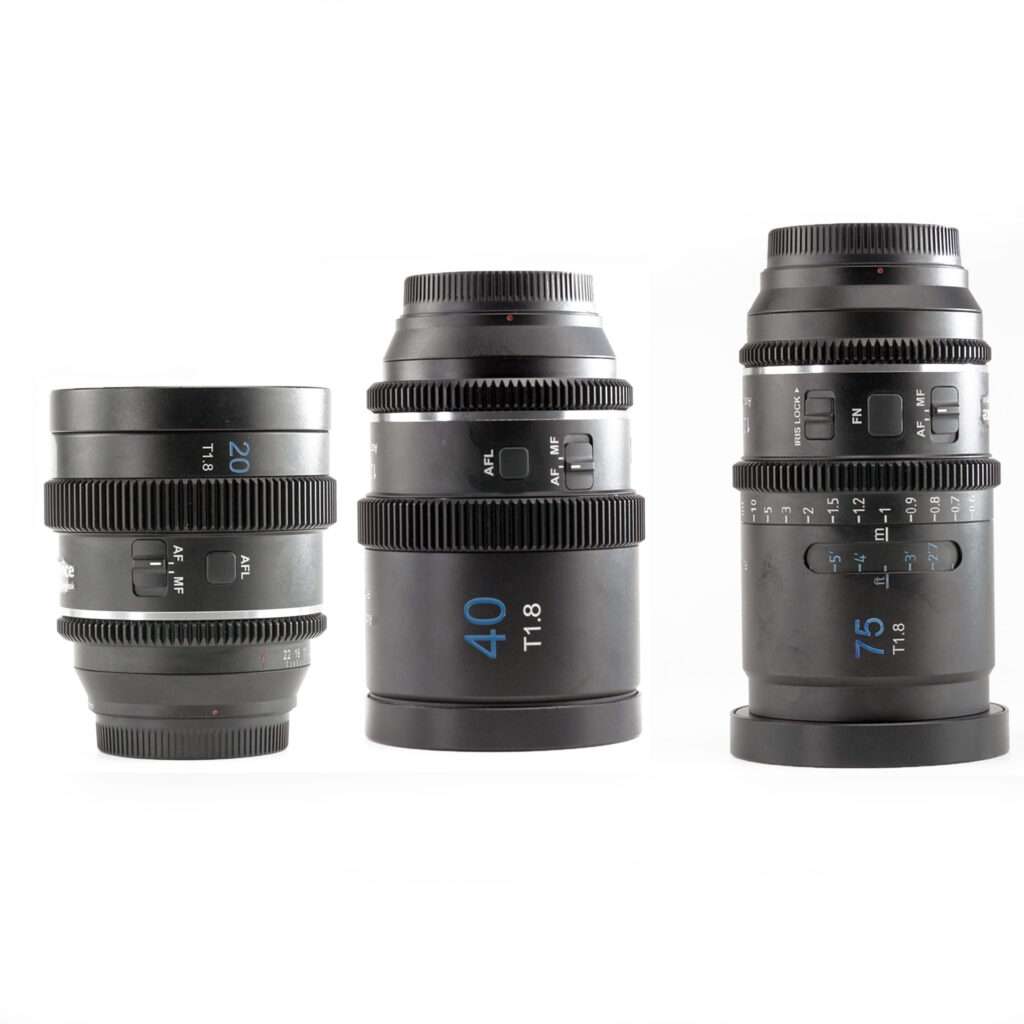
We offer the Sirui Cine Autofocus Anamorphic set in 20mm, 40mm and 75mm — a compact trio that covers a wide range of practical production scenarios while keeping the setup lightweight enough for gimbal work, handheld movement, car interiors, tight locations and fast commercial days.
These lenses are particularly relevant for:
-
music videos in Bangkok
-
fashion editorials
-
branded content with a premium look
-
nightlife and neon-heavy city visuals
-
automotive inserts
-
travel films that need more cinematic character
-
hybrid productions working with Sony FX3 or FX6
-
small crews who still want anamorphic language without a large lens department
The biggest advantage here is not simply that they are anamorphic. It is that they fit the real pace of production in Thailand.
A large part of the Bangkok market moves quickly. Shoots often involve multiple locations, dense schedules, urban movement, and a constant need to balance visual ambition against time. The Sirui autofocus anamorphics are appealing because they lower the operational barrier. They allow smaller crews to access a wider, more stylized image without forcing the entire production into a heavier, slower lens workflow.
“The Sirui autofocus anamorphics are not trying to imitate a giant vintage cinema package. Their strength is that they are practical. In Bangkok, practical matters. If a lens gives you character and still lets you move fast, that can be the winning combination.” — Andrii Palekha
Blazar Mantis Full Set: The Serious Full-Range Option
If the Sirui autofocus anamorphics represent a new compact direction, the Blazar Mantis set speaks to something more complete.
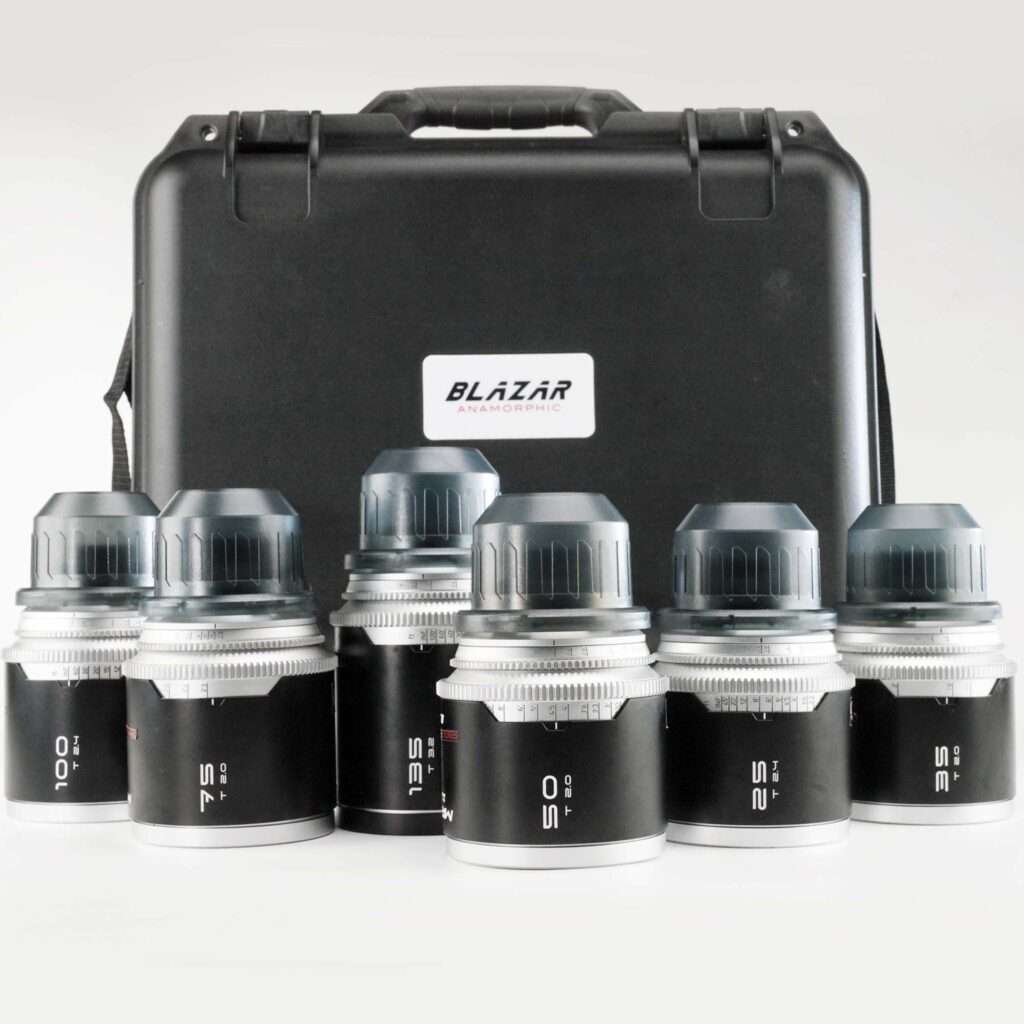
At Filmservice Thailand, we offer the full Blazar Mantis set: 25mm, 35mm, 50mm, 75mm, 100mm and 135mm — a range that gives cinematographers far more flexibility when they want to build a consistent anamorphic language across a full shoot rather than simply adding a specialty look for selected moments.
That matters more than many people realize.
A lot of productions begin by saying they want “just a few anamorphic shots.” Then the edit evolves, the director likes the character, and suddenly the production wishes it had built the visual strategy around the lens package from the start. When you have a complete set, that decision becomes easier and cleaner. You can stay inside one visual family instead of jumping between styles.
The Blazar Mantis set is particularly strong for:
-
full-day commercial productions
-
fashion campaigns with multiple setups
-
narrative short films
-
music videos with a stronger cinematic identity
-
beauty work that still wants character
-
travel commercials with controlled lens continuity
-
projects that need both wide environmental frames and longer portrait options
The range from 25mm to 135mm gives you something very valuable in real production: continuity.
A 25mm or 35mm anamorphic can define the environment. A 50mm and 75mm become your versatile middle ground. And when you move to 100mm or 135mm, you still stay in the same lens language while gaining a different emotional compression. That is often where a lens set stops being a gimmick and starts becoming a real storytelling tool.
Thailand’s Anamorphic Demand Is Growing for a Reason
What is changing in Thailand is not only access to gear — it is the type of visual references clients are bringing into prep.
Today’s directors, agencies and DPs are looking at campaigns, music videos and digital films that are more image-conscious than ever. They reference texture, halation, flare behavior, oval bokeh, edge falloff, and the psychological feel of the frame. Even when the budget is not “feature level,” the expectation for image personality is much higher than it was a few years ago.
That is why anamorphic lens rental in Bangkok is no longer a novelty request.
It is becoming part of a broader production reality where crews want the speed of modern mirrorless systems but the emotional character of more deliberate optics.
And that is exactly why Thailand should not be misunderstood as a market defined only by lightweight mirrorless convenience.
Yes, Bangkok is excellent for fast Sony workflows.
But the more interesting truth is this:
Bangkok is now strong enough to support productions that want more than efficiency.
It can support productions that want a look.
-
anamorphic lens rental Bangkok
-
cine lens rental Thailand
-
PL lens rental Bangkok
-
commercial lens rental Thailand
Because Thailand’s rental market has matured.
Bangkok is no longer only about hybrid mirrorless packages.
For stylized commercials, music videos, fashion work and narrative projects, the lens options are far more interesting than many foreign crews expect.
Real examples from the Filmservice Thailand rate card:
-
Blazar Mantis 1.33x Anamorphic set — THB 5,000/day
-
Sony CineAlta MkII PL set (20mm / 25mm / 35mm / 50mm / 85mm / 135mm) — THB 4,000/day
-
Dulens APO CF Triassic primes (25 / 35 / 50 / 90 / 120mm) — THB 500/day each
If you want a more cinematic look in Thailand, this is where the conversation gets interesting.
Film Lighting Rental in Bangkok: Aputure, ARRI and Modern LED Packages
There is a familiar misconception that still appears in conversations with international producers planning a shoot in Thailand. Bangkok is often seen as a strong city for cameras, lenses and agile commercial workflows, but when the discussion shifts to lighting, especially larger or more carefully built packages, the tone changes. People start asking the same cautious questions. Can we really build a proper light package locally? Is it only small LED kits and basic interview setups? If the brief becomes more ambitious, do we need to ship in key fixtures from abroad?
That assumption no longer reflects the reality of how productions are actually working here.
Bangkok today is not just a convenient city for camera rental. It is increasingly one of the most practical lighting hubs in Southeast Asia for international commercials, branded content, fashion work, documentaries, music videos and lean narrative production. The reason is not simply that there are more fixtures on the shelf. It is that the market has matured around the kinds of lighting workflows modern productions actually need: fast prep, reliable delivery, lightweight rigging logic, battery flexibility, color consistency, and enough range to scale from a two-person branded crew to a full commercial setup without turning the package into a logistical problem.
At Filmservice Thailand, we see this shift every day. The conversation is no longer about whether Bangkok has lights. The real conversation is whether the city can support the right combination of Aputure, ARRI and modern LED tools in a way that makes sense for real-world production schedules. More often than not, the answer is yes.
“A lot of foreign crews still think of Thailand as a place where you can get a camera package easily, but lighting is where they expect compromise. In reality, modern LED workflows have changed that completely. If the package is built intelligently, Bangkok can handle far more than people assume.” — Andrii Palekha
Thailand Is Not a ‘Small Kit Only’ Lighting Market
For years, the lighting conversation in Thailand was shaped by a very specific stereotype. Producers expected to find enough gear for basic interviews, travel shoots and low-footprint branded content, but not necessarily the depth or consistency required for more demanding visual work. If the brief involved controlled key light, large soft sources, RGB effects, tube ecosystems or modern high-output LED fixtures, many crews assumed they would need to simplify the plan.
That is increasingly outdated.
Thailand’s production market has evolved alongside the global shift toward LED-based lighting. As international commercials, streaming content, music videos and digital-first campaigns accelerated across Asia, the demand changed. Crews no longer wanted to choose between large traditional packages and underpowered practical kits. They wanted flexible systems that could move quickly, run on mixed power environments, and still deliver a polished result.
Bangkok adapted well to that shift.
Today, the strongest local lighting packages are not built around old assumptions of “big or small.” They are built around speed, modularity and image quality. That is why the modern combination of Aputure, ARRI and lightweight support lighting has become so relevant here. It reflects how most productions now actually work: faster schedules, tighter spaces, multiple company moves, more travel, more LED-friendly rigging, and a need to shape light without wasting half the day on infrastructure.
Why Modern LED Lighting Makes Sense in Bangkok
Bangkok is not a neutral production environment. It is a city of heat, humidity, reflective surfaces, dense interiors, mixed color temperatures and unpredictable access windows. It rewards crews who can adapt quickly. In that context, modern LED lighting is not just a trend. It is often the most practical professional choice.
A strong LED package in Bangkok helps with several things immediately:
-
faster setup and repositioning across multiple locations
-
easier work in hotels, condos, offices and practical interiors
-
lower power draw in unpredictable electrical environments
-
cleaner battery options for exterior or fast-moving setups
-
quick shifts between daylight and tungsten balance
-
RGB flexibility for nightlife, automotive and music video work
-
better control when schedules do not allow large relighting windows
That is why the current market leans heavily toward Aputure systems, ARRI-based key sources, tube lighting and versatile soft solutions. It is not about chasing brand names for their own sake. It is about using tools that fit the production reality of Thailand.
“In Bangkok, the best lighting package is rarely the one with the biggest truck. It’s the one that gets the look quickly, moves efficiently, and still gives the DP real control. That’s where modern LED systems are so strong.” — Andrii Palekha
Aputure in Bangkok: The New Workhorse Standard
If there is one brand that has changed the practical lighting conversation for mid-size and fast-moving productions in Thailand, it is Aputure.
Aputure has become central to how many crews build modern commercial and branded content packages because it offers a useful balance: solid output, flexible color options, a broad modifier ecosystem, and a form factor that makes sense for travel and fast location work. In Bangkok, that matters a lot.
At Filmservice Thailand, Aputure-based packages are often the first choice for productions that need speed without sacrificing control. They work especially well for:
-
commercials with multiple company moves
-
music videos with mixed indoor and night exteriors
-
interviews and documentary setups
-
fashion and beauty shoots
-
branded content with premium visual expectations
-
social-first campaigns that still need cinema-level polish
Aputure fixtures are particularly strong in Thailand because they fit the rhythm of the local market. They can scale up or down. A single source can work in a hotel room, a warehouse, a rooftop or a controlled studio setup depending on the modifier and rigging plan. That flexibility is exactly what international crews appreciate when they arrive with ambitious boards but compressed schedules.
The newer generation of high-output Aputure units has also made it easier to build substantial soft sources without relying entirely on heavier legacy fixtures. For many shoots, that means more visual quality with less friction.
ARRI Still Matters — and It Should
Even in the era of aggressive LED innovation, ARRI remains an important part of the conversation.
Not because every production in Bangkok needs a large ARRI-centric package, but because ARRI still represents a level of consistency and confidence that many DPs know well. When a production wants a more traditional professional benchmark, or when the lighting plan needs to integrate with a larger-scale commercial workflow, ARRI-based options remain relevant.
There is a reason experienced cinematographers continue to trust ARRI ecosystems: color reliability, predictable behavior, established modifier logic and broad familiarity across international crews. When time is tight, familiarity is valuable. The fewer surprises a fixture gives you, the more energy you can spend on shaping the image.
In Bangkok, ARRI often enters the conversation for:
-
higher-end commercial work
-
studio-based builds
-
beauty and tabletop environments
-
controlled narrative interiors
-
agency shoots with more conventional lighting expectations
-
productions where the DP wants a known reference point
That said, the most effective lighting packages in Thailand are often not “all ARRI” or “all Aputure.” They are mixed intelligently. A production might use ARRI as a key reference source, Aputure for versatile support, practical LED units for accents, and tube systems for environmental control. That hybrid logic is increasingly the professional norm.
Building a Lighting Package for Thailand Means Building for Logistics
One of the most common mistakes foreign producers make is thinking about lighting purely in terms of output. In reality, a successful lighting package in Thailand is built around logistics first, then output.
That means asking better questions:
-
How many company moves are in the day?
-
Is the location power reliable?
-
Are we working in small lifts or difficult access buildings?
-
Will the schedule require fast relights?
-
Are we going to islands or remote areas after Bangkok prep?
-
Is the shoot mainly daylight control, night exteriors or practical interior shaping?
-
Does the crew need battery flexibility?
-
Is there enough time for larger rigging or should the package stay nimble?
These questions matter because Bangkok is often the prep center even when the final shoot is in Phuket or Samui. A package that feels sensible in central Bangkok can become inefficient the moment it needs to move through airport logistics, ferry schedules, resort access or long travel days.
That is why the smartest productions treat Bangkok as the technical base and then scale the package based on destination reality.
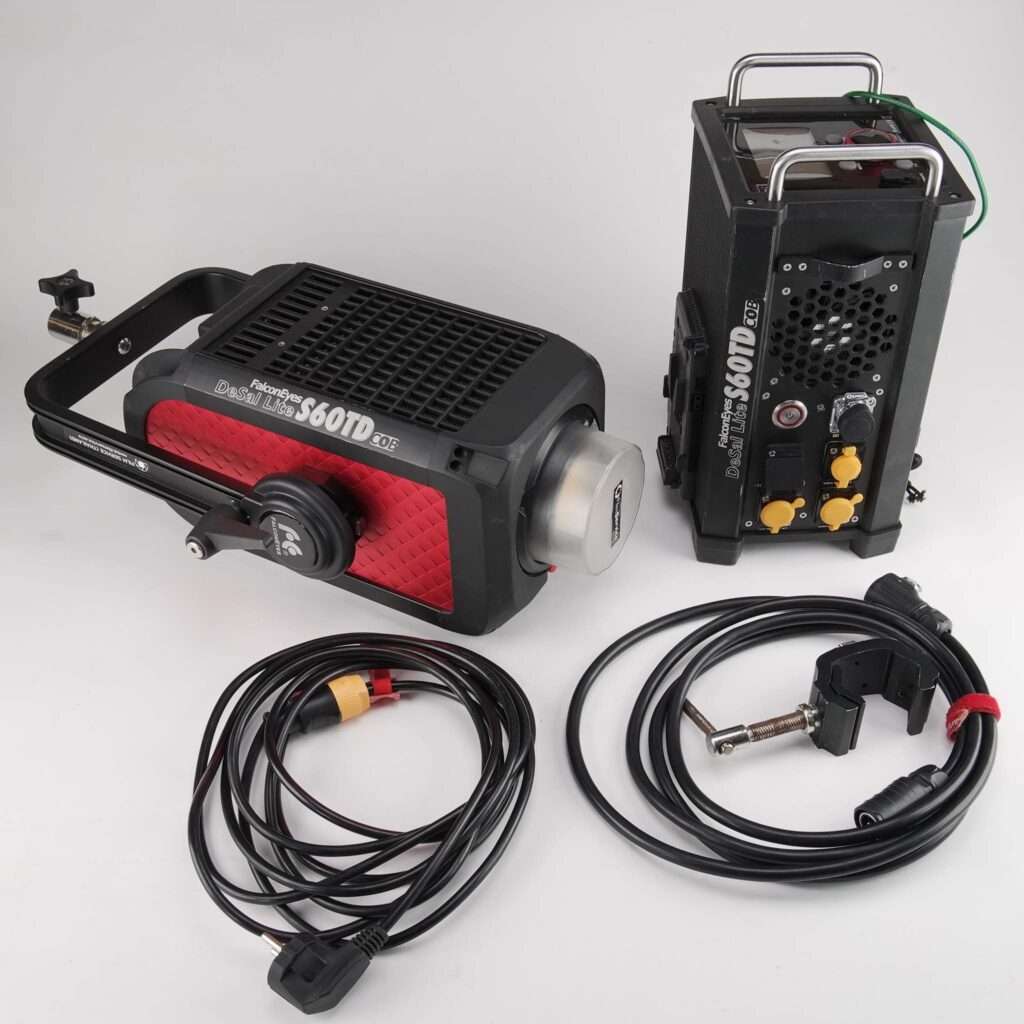
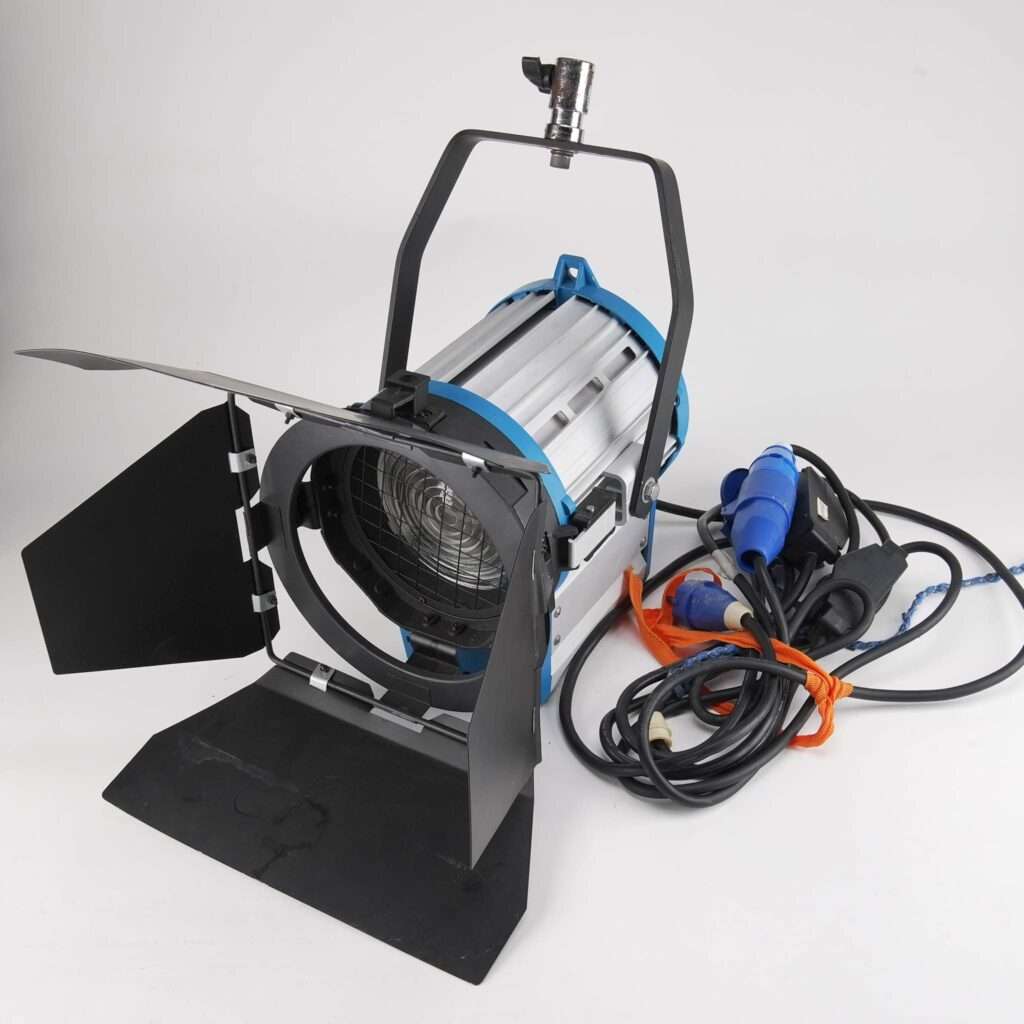
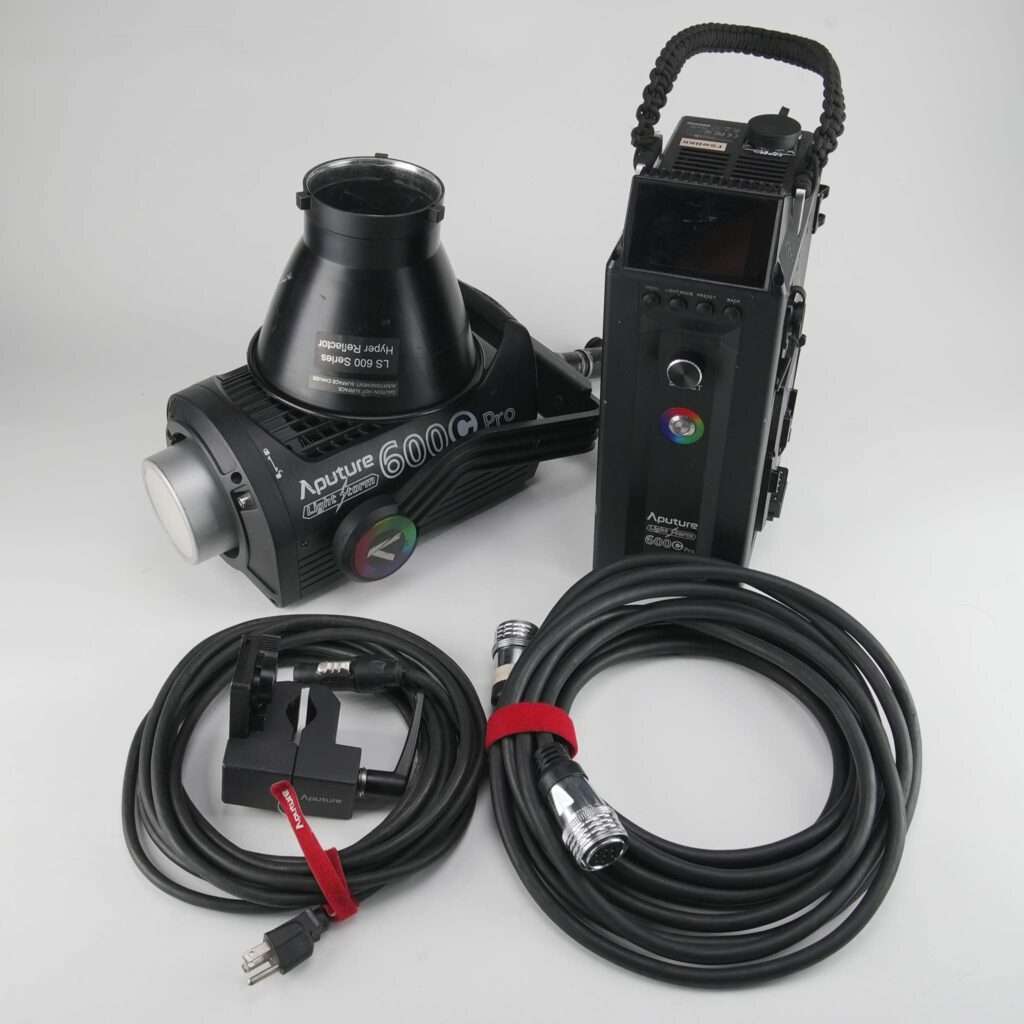
Real lighting examples from the Filmservice Thailand rate card:
-
Aputure Electro Storm XT26 Bi-Color — THB 5,000/day
-
Aputure STORM 1200X Bi-Color — THB 3,000/day
-
Aputure Light Storm 1200D Pro — THB 3,000/day
-
Aputure Light Storm 600C Pro / Pro II — THB 2,500/day
-
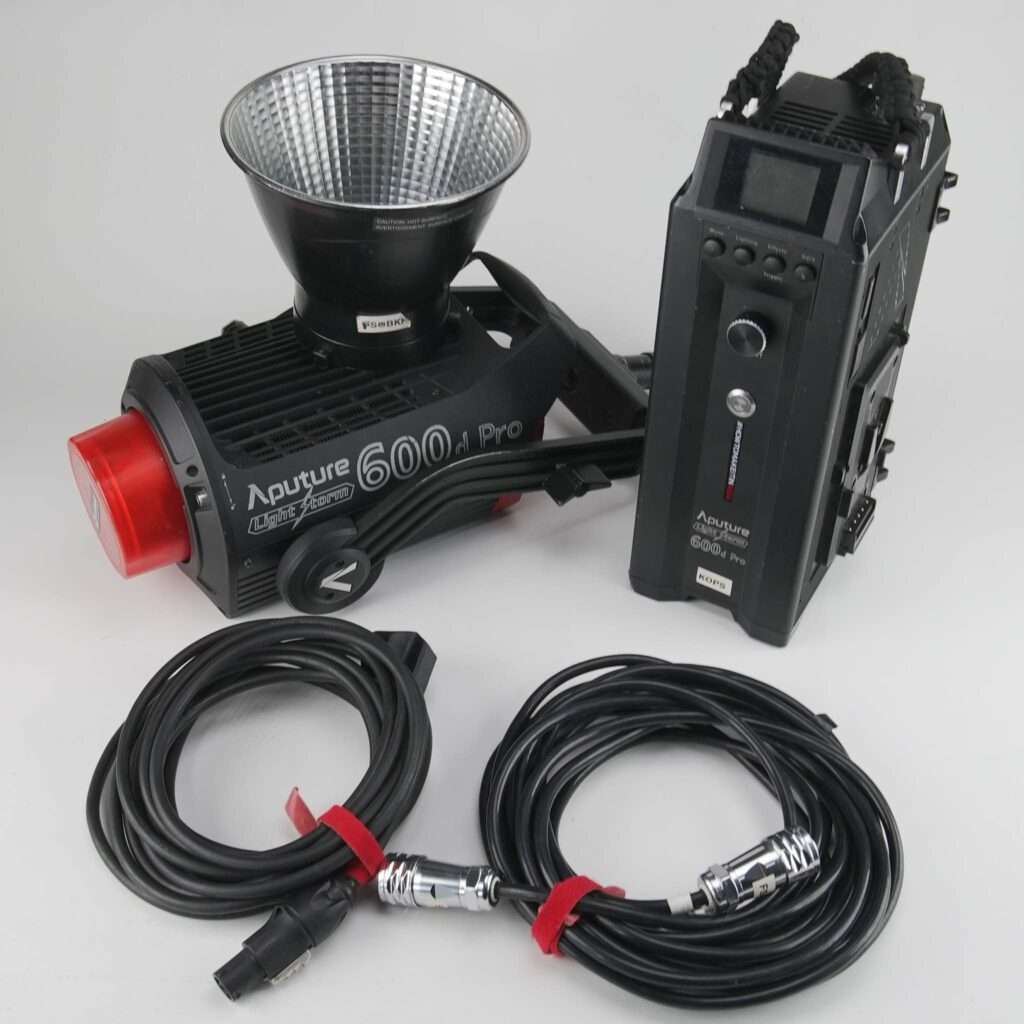
Aputure Light Storm 600D Pro — THB 2,000/day
ARRI lighting rental example:
-
ARRI SkyPanel S60-C — THB 1,500/day
(with softbox + grid included in the kit)
Compact RGB and practical-friendly options:
-
Aputure Amaran 300C RGBWW — THB 750/day
-
Amaran Ray 660C Fullcolor — THB 1,000/day
-
Aputure MC 4-Light Travel Kit — THB 600/day
Insurance, Deposits and Why Professional Productions Ask About This Early
This is the section that makes the article feel real.
Because anyone can publish a gear list.
Serious productions care about the part nobody likes talking about:
-
insurance
-
security / deposit responsibility
-
clear rental terms
-
liability on location
-
city-specific logistics
At Filmservice Thailand, we always encourage clients to solve this before prep day.
As I often say:
“The best rental process is the one that feels boring — clear paperwork, clear responsibility, clear dates, clear city, clear coverage.”
Whether you’re a:
-
direct client
-
production company
-
line producer
-
fixer
-
agency crew
-
documentary team
-
owner-operator
…the goal is the same:
Keep the equipment process predictable so the shoot stays flexible.
That’s especially important in Thailand, where schedules can shift fast because of:
-
weather
-
island transport
-
boat calls
-
talent timing
-
hotel access windows
-
traffic in Bangkok
-
last-minute brand changes
-
location restrictions
The right rental partner doesn’t just provide equipment.
They reduce chaos.
100% Best Price Guarantee: How Filmservice Thailand Compares Rental Prices Fairly
This is one of the most important conversion sections in the article because it answers a question almost every client has:
“What if I found the same gear cheaper?”
At Filmservice Thailand, we offer a 100% Best Price Guarantee — but only for real, professional, like-for-like comparisons.
Who do we compare prices with?
We compare prices with competitors — rental companies for filming equipment from the specified list in the “Found it cheaper?” offer.
The competitor’s city must match
The competitor’s rental city must match the city where the request is made.
That means:
-
Bangkok is compared with Bangkok
-
Phuket is compared with Phuket
Not with a different market where logistics naturally change the price.
The equipment must match exactly
The item must be the same in:
-
brand
-
model
-
configuration
-
size
-
color
-
and relevant included setup
For example:
-
a Sony FX6 is not the same as a vague “Sony cinema kit”
-
a Sony 24–70mm GM II is not the same as a first-generation 24–70mm GM
-
a light with missing modifiers is not the same as a complete working kit
Conditions for price matching
The competitor’s price can be considered if:
-
the offers from Filmservice Thailand and the competitor are identical
-
the equipment is available in stock at Filmservice Thailand
-
the competitor’s price is confirmed by:
-
the competitor’s official website for the relevant city
-
original promotional materials
-
and is valid at the time of the request
-
What is considered in the comparison
Only the following are considered:
-
prices relevant to the same city
-
prices without individual discounts
-
prices without coupons, gift cards, bonus points or special discount instruments
-
prices without “best price” stacking
-
prices that are not obvious typographical or pricing errors
Important program rules
The 100% Best Price Guarantee applies under these rules:
-
only private individuals (consumers) are eligible
-
the matched price is final
-
it cannot be combined with other promotions or discounts from Filmservice Thailand
-
gift certificates are not applicable to rentals arranged through the program
This is how a real price guarantee should work.
Why Transparent Pricing Beats “Starting From” Rental Marketing
Many rental websites still hide behind vague pricing language.
-
“from”
-
“custom quote only”
-
incomplete packages
-
missing accessory details
-
unclear city availability
-
no published lens rates
-
no real lighting examples
That may generate inquiries.
But it doesn’t always build trust.
Thailand has become one of the strongest production markets in Southeast Asia not only because of its locations, crews and competitive overall economics, but because it increasingly supports international workflows at a serious level. Bangkok in particular now functions as a real prep and logistics hub for commercials, music videos, documentaries, branded content and narrative work moving across the region.
That means many of the people asking for quotes are not standing in the rental house. They are budgeting from abroad.
A producer in London, a DP in Sydney, an agency in Singapore, a production manager in Dubai or a client team in Seoul may all be reviewing the same line items from different time zones. They may be comparing Thailand against another country entirely. They may be deciding whether to fly in gear, source locally, or shift the production structure around what is realistically available.
In that context, “starting from” pricing becomes less useful and more dangerous.
Because a vague entry number does not help them make a decision.
It only delays the real decision.
Transparent pricing, on the other hand, changes the conversation immediately. It allows teams to:
-
estimate budgets earlier
-
compare realistic options faster
-
understand whether Bangkok, Phuket or Samui is the right base
-
judge whether shipping gear in is even worth it
-
identify where accessories or logistics will affect the final cost
-
align production expectations with actual local market conditions
In short, transparent pricing behaves like a production tool, not a marketing hook.
The Difference Between a Low Number and a Useful Number
This is where many rental companies unintentionally lose trust.
A low number can be attractive.
A useful number is actionable.
Those are not the same thing.
If a Sony FX3 is shown with a vague “from” rate but the producer still has to ask what batteries are included, whether media is part of the package, whether the cage is included, whether the monitor or EVF solution changes the cost, and whether the rate applies in Bangkok or on an island location, then the quote is not really helping.
The same applies to lighting.
An LED fixture with a strong “starting from” rate tells you very little if the modifier, stand, control accessories, transport logic or rigging support are all outside the headline number. In some cases, the attractive line item ends up being one of the least informative parts of the entire budget.
This is why serious crews often gravitate toward rental partners who publish real rates, or at least rates that correspond closely to real working configurations.
Not because they are obsessed with price alone.
But because transparency reduces friction — and in production, reduced friction usually saves more money than a deceptively low entry number ever will.
Transparent Pricing Is a Sign of Operational Confidence
There is another reason transparent pricing matters, and it is less often discussed.
When a rental company is willing to publish clear pricing, it usually signals something deeper than just openness. It often signals operational confidence.
A company that understands its inventory, knows its market position, updates its rate structure regularly and is comfortable being compared is generally a company that is used to real production conversations. It is less afraid of scrutiny because it expects to compete on substance: configuration, service, support, reliability, logistics and professionalism.
“Starting from” marketing, by contrast, often suggests the opposite.
It suggests a company wants to enter the conversation before the details arrive.
Sometimes that is harmless.
Sometimes it is strategic ambiguity.
But experienced producers notice the difference quickly.
“If the pricing is hard to understand, the workflow often becomes hard to understand too. Clear rate cards don’t solve every problem, but they usually tell you the company is used to working with professionals.” — Andrii Palekha
Why This Matters Even More for Bangkok, Phuket and Samui
In Thailand, location matters.
This is one of the most important points many foreign clients overlook when they first compare rental quotes. Bangkok is the country’s strongest technical hub for camera, lens, lighting and grip rental. It has deeper inventory, easier prep, stronger accessory support and more efficient substitution options. It is where most serious equipment planning should begin.
But not every shoot stays in Bangkok.
Many productions move to Phuket for coastal commercials, resort content, marine work and luxury campaigns. Others go to Samui for hospitality shoots, travel films and island-based branded content. These are excellent shooting destinations, but they are not identical to Bangkok from a rental economics standpoint.
Transport, travel days, island logistics, timing windows and support availability all affect the final package cost.
This is exactly where “starting from” pricing becomes especially misleading.
A number that appears competitive in Bangkok may not reflect the reality of a package that must be delivered, supported or adjusted outside the city. A producer comparing island work to Bangkok rates without understanding that distinction is not comparing like for like.
Transparent pricing forces the right conversation earlier:
-
What city is the quote for?
-
Is it a Bangkok prep with destination delivery?
-
Are there travel days involved?
-
Is the package identical in both cases?
-
Are the accessories and support requirements the same?
These are production questions, not just sales questions. And good pricing structure should help answer them.
The Best Rental Relationships Start With Trust, Not Clickbait
There is a reason experienced line producers and production managers tend to return to the same rental partners once they find them.
It is not always because those vendors are the absolute cheapest on paper.
It is because the relationship becomes predictable.
The rate card makes sense.
The configuration is clear.
The prep is realistic.
The substitutions are handled properly.
The accessories are not mysteriously “extra” after the fact.
The city-specific logic is understood.
The quote behaves the way the production behaves.
That kind of predictability is worth a great deal.
In real filmmaking, the best rental partner is rarely the one with the most aggressive marketing line. It is the one that causes the fewest unnecessary surprises.
And pricing is often the first clue.
Transparent Pricing Doesn’t Mean Rigid Pricing
This is important.
Transparent pricing does not mean every project should be treated as a fixed off-the-shelf transaction. Professional rentals are not e-commerce checkouts. Productions vary. Schedules change. Weekly rates, longer bookings, larger packages and complex logistics all create room for real discussion.
But there is a major difference between clear base pricing with professional flexibility and vague base pricing designed to force a sales conversation.
The first respects the client’s time.
The second monetizes their uncertainty.
That is why transparent pricing is not the opposite of flexibility.
It is the foundation that makes flexibility credible.
A good rental company can publish clear rates and still build smart custom deals for larger packages, longer schedules, repeat clients or unusual production structures. In fact, that usually works better, because the client already understands the baseline and can judge the value of the adjustment.
Why This Matters for the Future of Film Equipment Rental in Thailand
Thailand’s production market is becoming more international, more competitive and more technically mature every year. As foreign productions continue to treat Bangkok as a real working hub — not just a location stop — the expectations around professionalism rise.
That includes gear quality.
It includes logistics.
It includes communication.
And increasingly, it includes how prices are presented.
The rental houses that win long-term trust in this environment will not necessarily be the ones with the most aggressive “from” numbers. They will be the ones who make budgeting easier, not harder.
Because in modern production, especially across borders, clarity is not a luxury.
It is part of the service.
And that is why transparent pricing beats “starting from” rental marketing every time.
At Filmservice Thailand, we believe serious productions deserve:
-
a live online rental catalog
-
a current downloadable rate card
-
real model names
-
real market context
-
city-aware comparisons
-
clear communication before the shoot day
That’s what helps international productions move fast. And in Thailand, speed matters.
Download the Latest Filmservice Thailand Rental Price List
If you’re budgeting:
-
camera rental in Bangkok
-
film equipment rental Thailand
-
Sony FX3 rental Thailand
-
Sony FX6 rental Bangkok
-
lens rental in Phuket
-
film lighting rental in Thailand
-
video production equipment rental in Samui
…the best place to start is a real published inventory.
At Filmservice Thailand, we maintain:
-
a live online rental catalog
-
a current downloadable rate card
-
transparent pricing for:
-
camera rental
-
lens rental
-
film lighting rental
-
grip and accessories
-
streaming
-
underwater gear
-
sound
-
DIT
-
production support equipment
-
-
and a 100% Best Price Guarantee for valid same-city comparisons
Download the latest Filmservice Thailand rental price list here:
https://filmservice.asia/uploads/rental_price_filmservice_thailand_2025.pdf
Final Word
Thailand is a fantastic place to shoot.
But the productions that run smoothly here are rarely the ones that gamble on unclear quotes.
They’re the ones that plan properly.
They choose the right city.
They choose the right package.
They understand the difference between Bangkok and island logistics.
And they work with a rental partner that speaks the language of production — not just the language of sales.
“Good rental service is not when everything goes perfectly. Good rental service is when the schedule changes, the client changes something, the weather changes — and the local team still keeps the production moving.”
That’s what we believe in at Filmservice Thailand.
FAQ: Camera Rental in Thailand
What is the best city for camera rental in Thailand?
For most professional productions, Bangkok is the best city for camera rental in Thailand because it offers the deepest inventory, stronger accessory support, easier prep, and better options for last-minute substitutions.
How much does Sony FX3 rental cost in Bangkok?
At Filmservice Thailand, the Sony FX3 is listed at THB 1,800/day in the current published rate card.
How much does Sony FX6 rental cost in Thailand?
At Filmservice Thailand, the Sony FX6 is listed at THB 2,500/day in the current published rate card.
Do camera rental prices in Phuket and Samui differ from Bangkok?
Yes. Phuket and Samui often involve different logistics, transport and travel-day considerations, so prices are not always directly comparable to Bangkok unless the quote is for the same city and the same configuration.
Can I rent lenses separately in Bangkok?
Yes. Filmservice Thailand offers separate lens rental in Bangkok, including Sony GM zooms, primes, cine lenses and anamorphic options, depending on availability.
Do you offer film lighting rental in Thailand?
Yes. Filmservice Thailand offers professional film lighting rental in Thailand, including Aputure, Amaran and ARRI-based options for commercial, documentary and narrative productions.
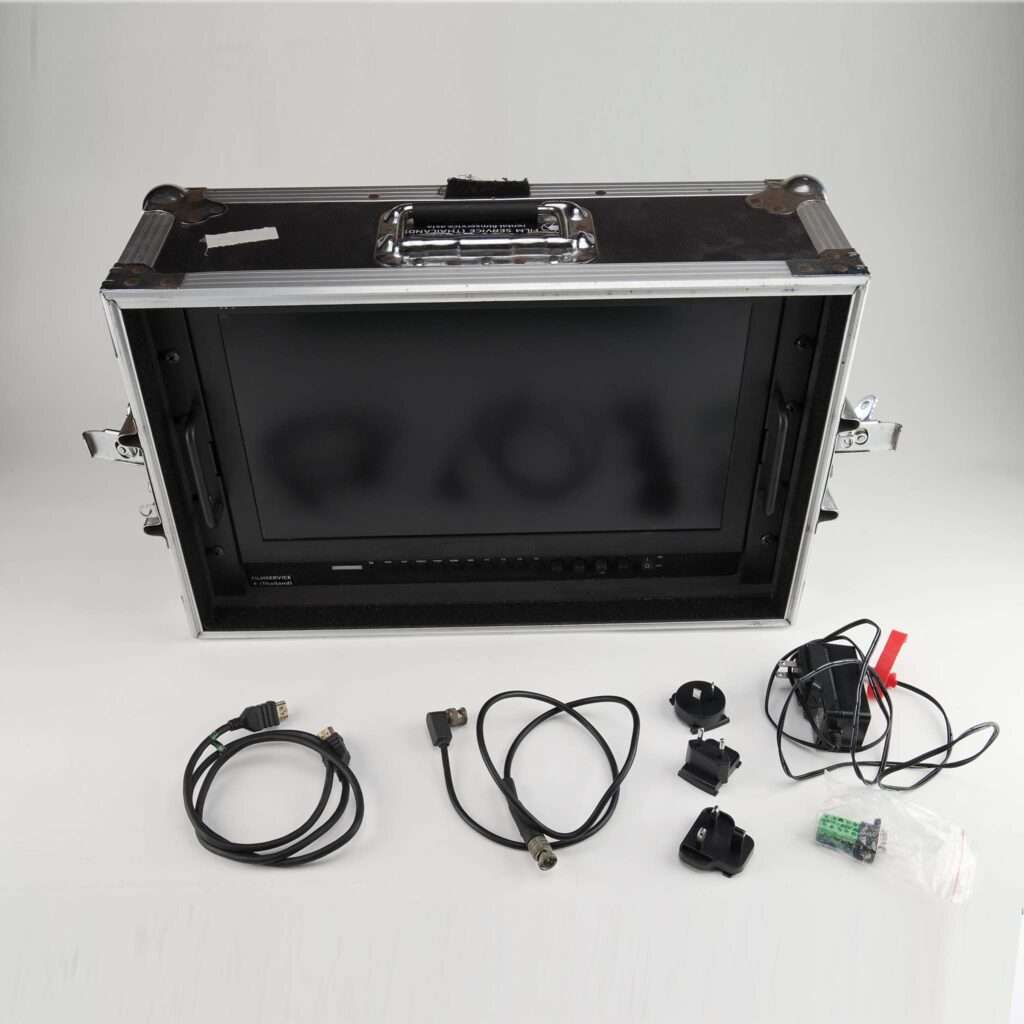
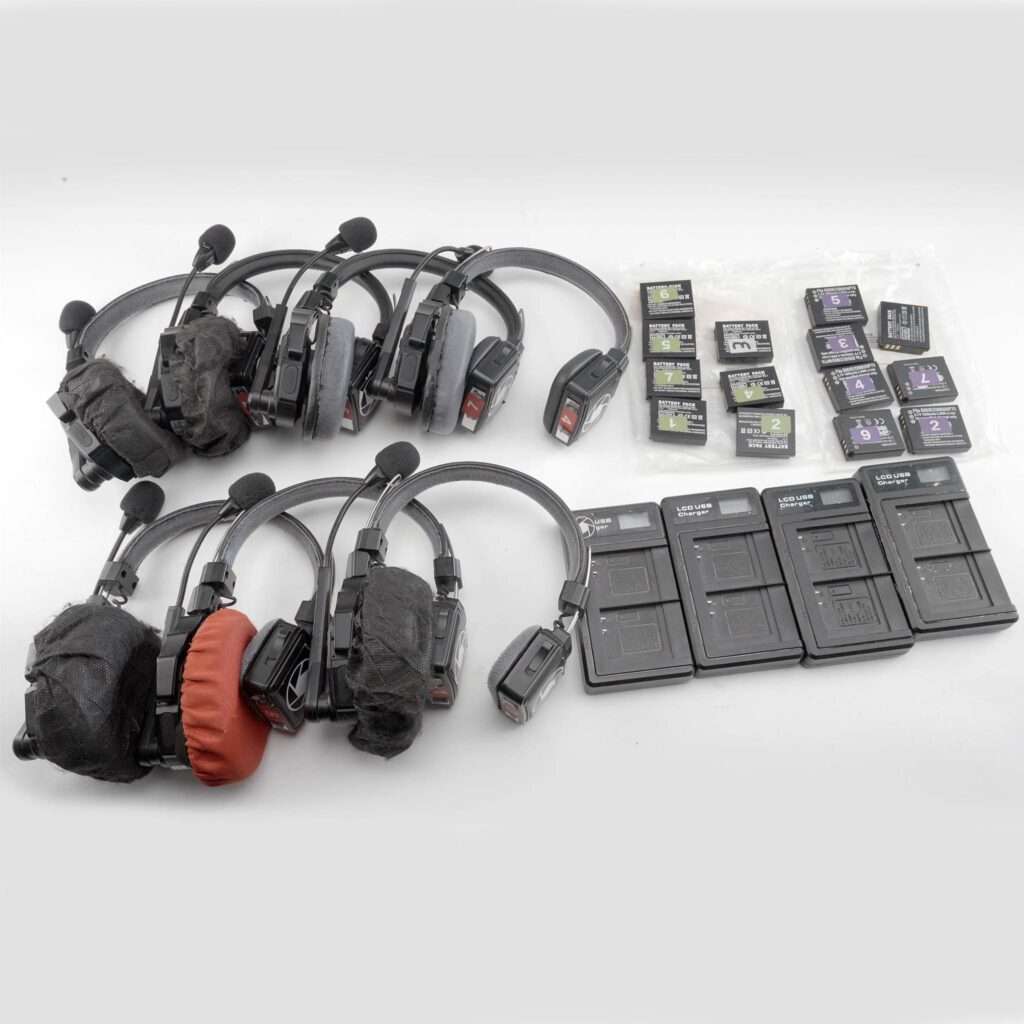
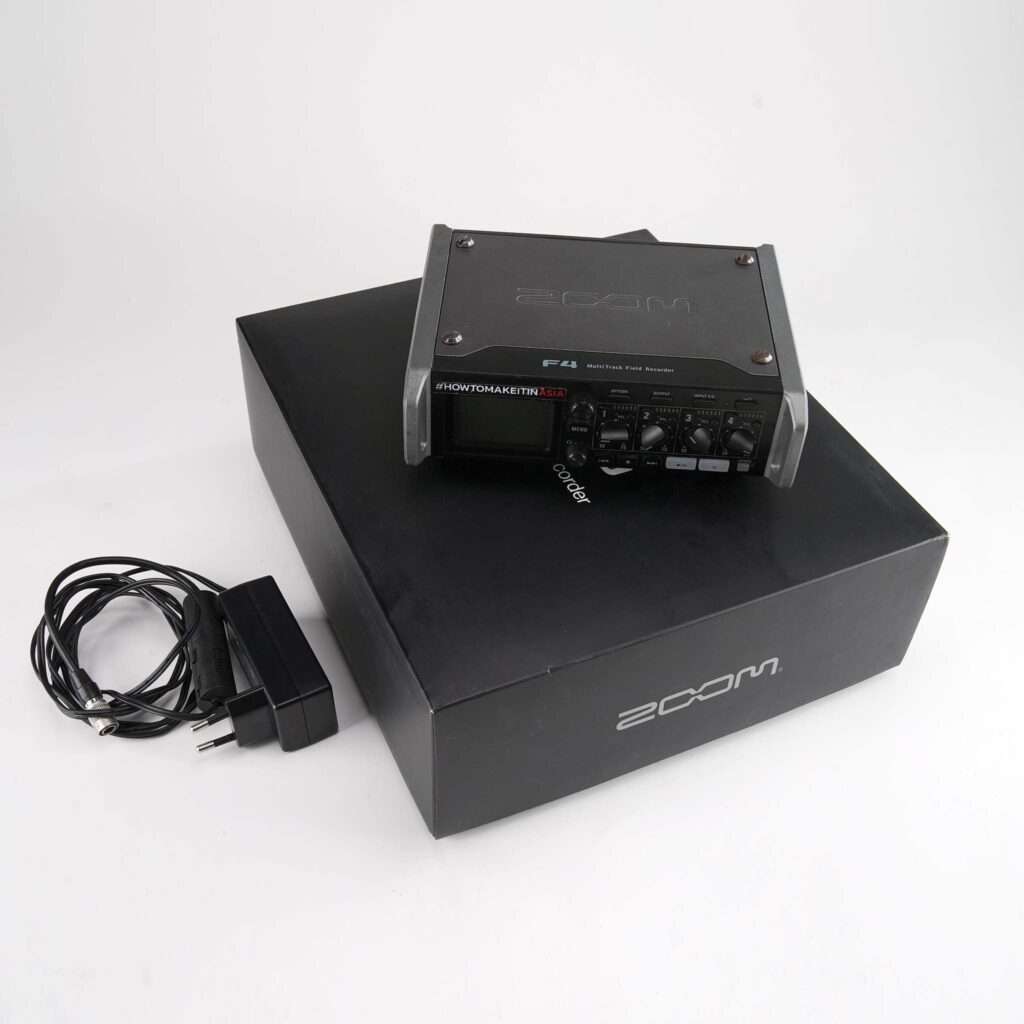
Do you offer a price match for film equipment rental in Bangkok?
Yes. Filmservice Thailand offers a 100% Best Price Guarantee for valid like-for-like comparisons in the same city, subject to availability and the official terms described above.
Thailand Is No Longer an “Alternative” Production Market
For years, Thailand was often framed the wrong way in international production conversations.
People talked about the country as if it were mainly a location play — beautiful, affordable, visually versatile, but somehow still a step removed from the kind of technical confidence producers expected in more established global hubs.
That framing is outdated.
Thailand today is not a backup option. It is not a compromise market. It is a fully functioning international production ecosystem — and that changes the way equipment rental should be understood.
The real question for serious producers is no longer whether Thailand can look good on camera.
The real question is much more practical:
Can we get the right gear here — reliably, professionally, and without turning the equipment package into a production problem?
That’s the real conversation.
And after more than a decade working with international crews in Thailand, I can say this with confidence:
Bangkok is one of the most underrated video equipment rental hubs in Asia.
Not because it is simply “cheap.”
That’s too simplistic.
It’s because the balance between pricing, availability, flexibility, multilingual communication and real-world production support is unusually strong — especially if you understand how the local system works.
“A lot of foreign producers still arrive in Thailand expecting a location country. What they discover is a working production hub. That difference is important. If the prep is done properly, Bangkok can support international pace much better than many people assume.” — Andrii Palekha
The Thailand Film Office Has Changed the Conversation
One of the biggest reasons Thailand has become more competitive in recent years is that the broader production infrastructure is now aligned much better than it was a decade ago.
The Thailand Film Office (TFO) has played a major role in that shift.
For international producers, Thailand is no longer just attractive because of tropical beaches, urban density, luxury locations or strong art department capability. It is also increasingly attractive because the official framework around foreign production has become more legible and more commercially relevant.
That includes permits, coordination and incentives.
For larger foreign productions, permit navigation in Thailand is rarely about whether filming is possible — it is about whether the production is structured correctly from the beginning. Different locations, municipalities, public areas, marine access, drone use, protected areas and specialty logistics all create different approval pathways. When productions underestimate that process, the equipment plan becomes vulnerable. Gear sits idle, crew days are lost, and rental efficiency disappears.
That is why serious producers don’t think about permits as a separate legal issue. They think about permits as part of the technical schedule.
“The biggest mistake foreign teams make in Thailand is separating permits from gear. If the location approval moves, the rental schedule moves. If the rental schedule moves, the budget changes. In real production, these things are connected.” — Andrii Palekha
And then there is the rebate conversation.
Thailand’s foreign production incentive has become a serious strategic advantage. The Thailand Film Office promotes a cash rebate of up to 30% for qualifying international productions, depending on eligibility, spending thresholds and specific production criteria. That does not mean every project automatically receives the maximum, but it does mean Thailand is now competing far more aggressively in the region for international shoots.
That changes behavior.
It affects where producers choose to base prep. It affects how much technical infrastructure they are willing to build locally. It affects whether they ship in more gear or source more in-country. And increasingly, it affects how much confidence they place in Bangkok as a practical production base instead of simply a location destination.
Bangkok Is a Daily Working Hub for Multinational Crews
This is the part that many first-time clients don’t fully understand until they are here.
Bangkok is not just a city where productions can happen.
It is a city where productions happen every day, across multiple scales, across multiple languages, across multiple budget tiers.
On any given week, the working reality can include:
-
agency teams from Europe
-
DPs flying in from Australia
-
branded content crews from Singapore or Hong Kong
-
documentary units from the US
-
fashion campaigns from the Middle East
-
Korean and Japanese commercial teams
-
Indian productions scaling quickly
-
digital-first clients who still expect cinema-level results
That kind of traffic changes the local market.
It means rental houses, production managers, camera teams, gaffers and support crews are not operating in a purely domestic rhythm. They are used to working with people who expect international standards, tight schedules, cross-border approvals, last-minute changes, and clear English communication.
That matters more than people think.
“One of the strongest advantages in Bangkok is not just the gear itself. It’s that the market is used to foreign clients. That reduces friction. When people understand international expectations, everything from prep to problem-solving gets faster.” — Andrii Palekha
This is also why Bangkok often outperforms expectations when compared to other markets in the region.
It’s not just about having a camera body or a light on a shelf.